Buying
What Should You Ask About the Electrical System Before Buying in Ahwatukee?
August 18, 2026 · 5 min read · Ahwatukee
Start with the home's age and improvement history
Before you buy an Ahwatukee home, ask how the electrical system has been maintained, what the inspection finds, and whether any work was permitted. You do not need to diagnose wiring during a showing. Your job is to notice questions, gather records, and give your inspector and licensed electrician enough information to evaluate the system carefully.
Electrical details can be easy to overlook when you are focused on layout, outdoor space, storage, or the feeling of a home. They still affect how confidently you can plan for ownership. A thoughtful review helps you understand the home's condition and separates a question that needs professional review from a problem that may change your offer strategy.
Use the showing to collect questions, then rely on qualified professionals for technical answers.
Ask when the home was built and whether the electrical system has been updated. The age of the house does not tell you everything, and a newer-looking fixture does not prove that the work behind it was completed correctly. You are looking for a clear history rather than a quick conclusion.
Ask the seller or listing representative whether there have been upgrades to the panel, wiring, outlets, lighting, or major appliances. Ask if receipts, permits, or contractor information are available. If the answer is uncertain, make a note for your inspection and due diligence conversations. Do not assume that a missing record means the work was improper, but do treat an unclear history as something to investigate.
I am Amy Richardson, REALTOR® at HomeSmart, writing from Savvy Realty Group here in Ahwatukee.
Questions to ask at the showing
A showing is not an electrical inspection, but it is a useful time to observe how the home functions. Consider these questions:
- Where is the main electrical panel, and is it accessible?
- Are there smaller panels or visible electrical equipment elsewhere on the property?
- Have the owners experienced frequent tripped breakers, flickering lights, warm outlets, or power interruptions?
- Which appliances or systems were added after the home was built?
- Are there outlets in the locations you will need for your daily routine?
- Is there exterior lighting, pool equipment, workshop equipment, or other electrical use that needs special attention?
You can also look for practical clues without touching anything. Note whether the panel area is blocked, whether outlet covers are cracked, or whether cords are being used in a way that suggests the current setup is inconvenient. Avoid removing covers, opening the panel, testing unfamiliar equipment, or making a technical judgment from appearance alone.
Review the panel and outlets with a professional
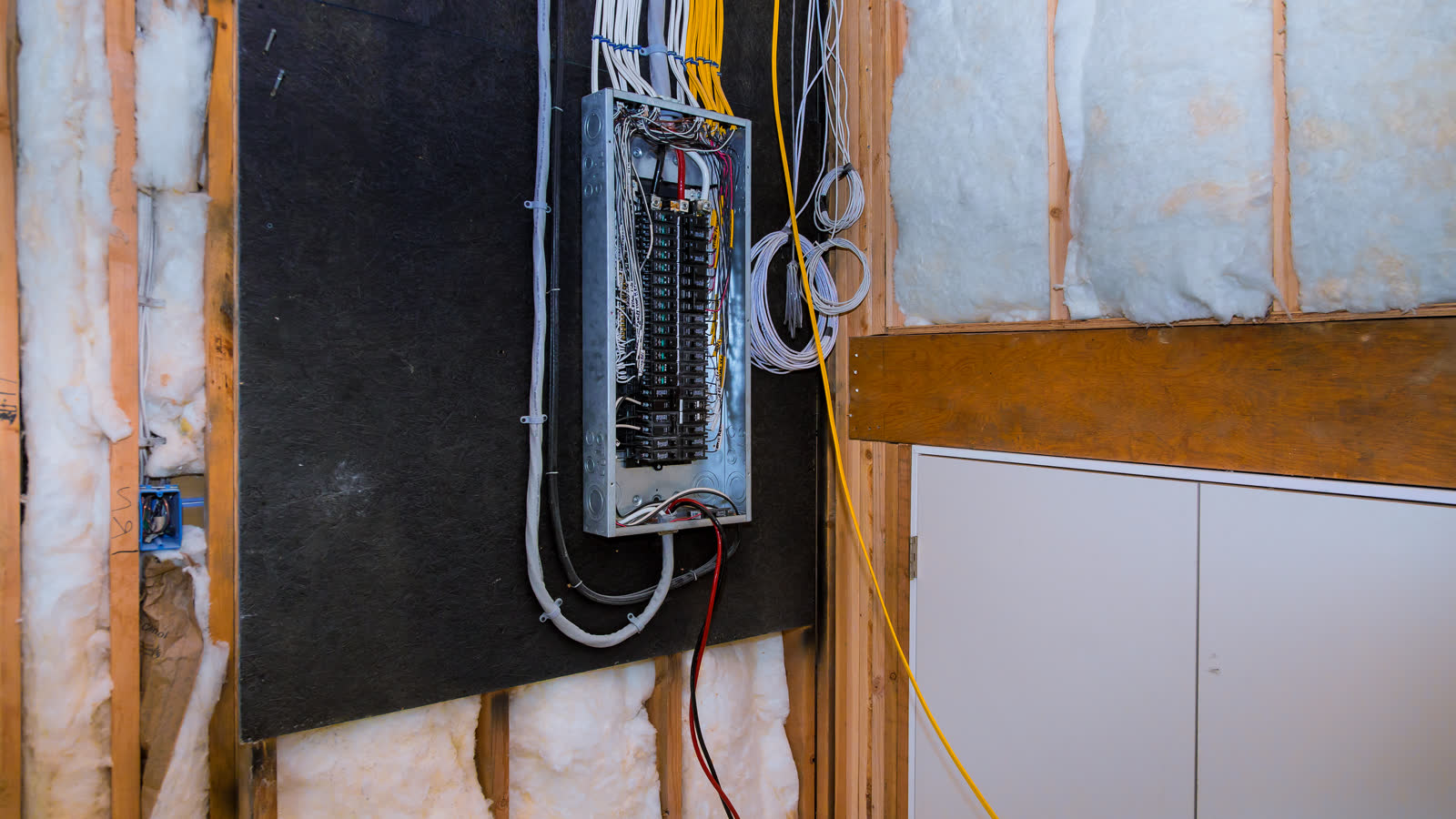
The electrical panel deserves a closer look during the inspection. A qualified inspector can document visible concerns and explain when an electrician should evaluate them further. Ask whether the panel appears properly labeled, whether there are signs of heat or damage, and whether the service seems appropriate for the home's visible systems. These are questions for the professional, not a do-it-yourself checklist.
Ask your inspector to consider outlets in kitchens, bathrooms, garages, exterior areas, and other locations where moisture or heavier appliance use may matter. Ask whether protective devices appear to be present where required by the home's design and applicable standards. Because requirements and conditions vary, rely on the inspector, electrician, and other licensed professionals for the answer that applies to the specific property.
If the inspection identifies a concern, request a plain-language explanation. Ask what was observed, what professional should evaluate it, whether it affects safety or function, and what documentation would clarify the issue. Your agent can help organize the conversation with the seller, but technical recommendations should come from the appropriate licensed professional.
If you would rather see how I handle this as a service rather than as advice, that is buying a home in Ahwatukee.
Ask about additions and high-use systems
Ahwatukee homes can have different combinations of cooling equipment, pools, spas, garages, workshops, outdoor lighting, and remodeled rooms. Ask which systems are original and which were added later. An addition may have its own lighting and outlets, while a pool or other equipment may have separate controls and maintenance records.
Ask whether any major electrical work was done as part of a remodel. If the home has a detached structure, ask how it is supplied and whether the seller has information about the installation. If you work from home, charge an electric vehicle, use specialized equipment, or have another specific need, mention it early so your inspector and electrician can consider the relevant load and outlet locations.
Do not treat an inspection question as an automatic deal-breaker
An inspection report is a tool for understanding the property, not a simple pass-or-fail label. Some observations may call for monitoring or routine maintenance. Others may need prompt review, repair, or replacement. The significance depends on the condition, location, history, and professional recommendation.
Keep your findings in proportion to the rest of your decision. Compare the electrical questions with the home's age, updates, condition, layout, location, and your plans for ownership. If a specialist is recommended, arrange that review within the time allowed by your contract and ask what information the specialist needs beforehand. Financing, insurance, legal, and tax questions should go to the relevant licensed professional.
Use a simple question list before you make an offer
- Write down the electrical questions you noticed during the showing.
- Ask for available information about upgrades, repairs, contractors, and permits.
- Discuss your priorities with your agent before choosing inspection services.
- Have the home inspected and obtain an electrician's opinion when recommended.
- Separate safety concerns, deferred maintenance, convenience preferences, and future projects.
- Use the professional findings to guide your next conversation and your overall decision.
This process works best alongside a broader home review. You may also want to compare the property beyond its photos, consider the ongoing costs of ownership, and think about how the home fits your routine. Read how to compare Ahwatukee homes beyond the listing photos, how to plan for ongoing ownership costs, how to decide if a home fits your routine, and how to use the Ahwatukee inspection period as you build your list.
The goal is a clear decision based on the actual home, the professionals' findings, and your plans. If you are relocating or beginning an Ahwatukee search, get the free Ahwatukee Relocation Guide for a practical starting point.
Where to go from here
Electrical questions are easy to ask and awkward to discover later, especially in an older home. Ask me which ones apply to the house you are looking at.
Common questions
- Should I have an electrician inspect an Ahwatukee home?
- Ask a qualified electrician to review the system when your general inspector recommends it or when the home's history, panel, wiring, or additions raise specific questions.
- What electrical records should a buyer request?
- Ask whether the seller has records for panel work, rewiring, remodels, major appliances, or other electrical additions, along with available permits and contractor information.
- What should I look at during an electrical panel review?
- Ask the inspector to address accessibility, labeling, visible damage, heat concerns, and whether further evaluation is needed. Do not open the panel yourself.
- Are older electrical systems always unsafe?
- Age alone does not answer that question. The system's condition, maintenance, alterations, and professional findings matter, so use an inspection and specialist review when appropriate.
- Can electrical concerns affect my home offer?
- They may affect your questions, negotiations, or decision, depending on the professional findings and your contract. Discuss options with your real estate agent and the relevant licensed professionals.