Buying
How to Decide If an Ahwatukee Home Fits Your Routine
August 10, 2026 · 6 min read · Ahwatukee

Map your first and last fifteen minutes
The right Ahwatukee home should support the way you actually live, not just look appealing during a short showing. Before you make an offer, walk through an ordinary day in your mind and test the home against your routines, responsibilities, comfort, and plans. A useful decision comes from several small observations rather than one dramatic feature.
Start by writing down what happens on a normal weekday and a normal weekend. Think about when you leave, where you keep everyday items, how you prepare meals, where you work or relax, and what you do when the weather changes. Then bring that list to each showing. You are comparing the home to your life, not trying to make your life fit the floor plan.
A practical home search begins with the routines you want the property to support.
Entry points can shape a home experience more than buyers expect. Notice where you would set down keys, bags, shoes, mail, and packages. Is there a convenient place for those items, or would they collect on a kitchen counter? Consider the path from the garage, driveway, or front door to the rooms you use most.
Pay attention to the morning exit. If several people leave at similar times, look at the number of doors, the route to the parking area, and whether the kitchen or hallway may feel crowded. If you work from home, identify the transition between your work space and the rest of the house. Small friction repeated every day can matter more than a room you rarely use.
For context on who is writing this: I am Amy Richardson of Savvy Realty Group, a REALTOR® with HomeSmart, and I have sold in Ahwatukee since 2017.
Evaluate rooms by use, not by labels
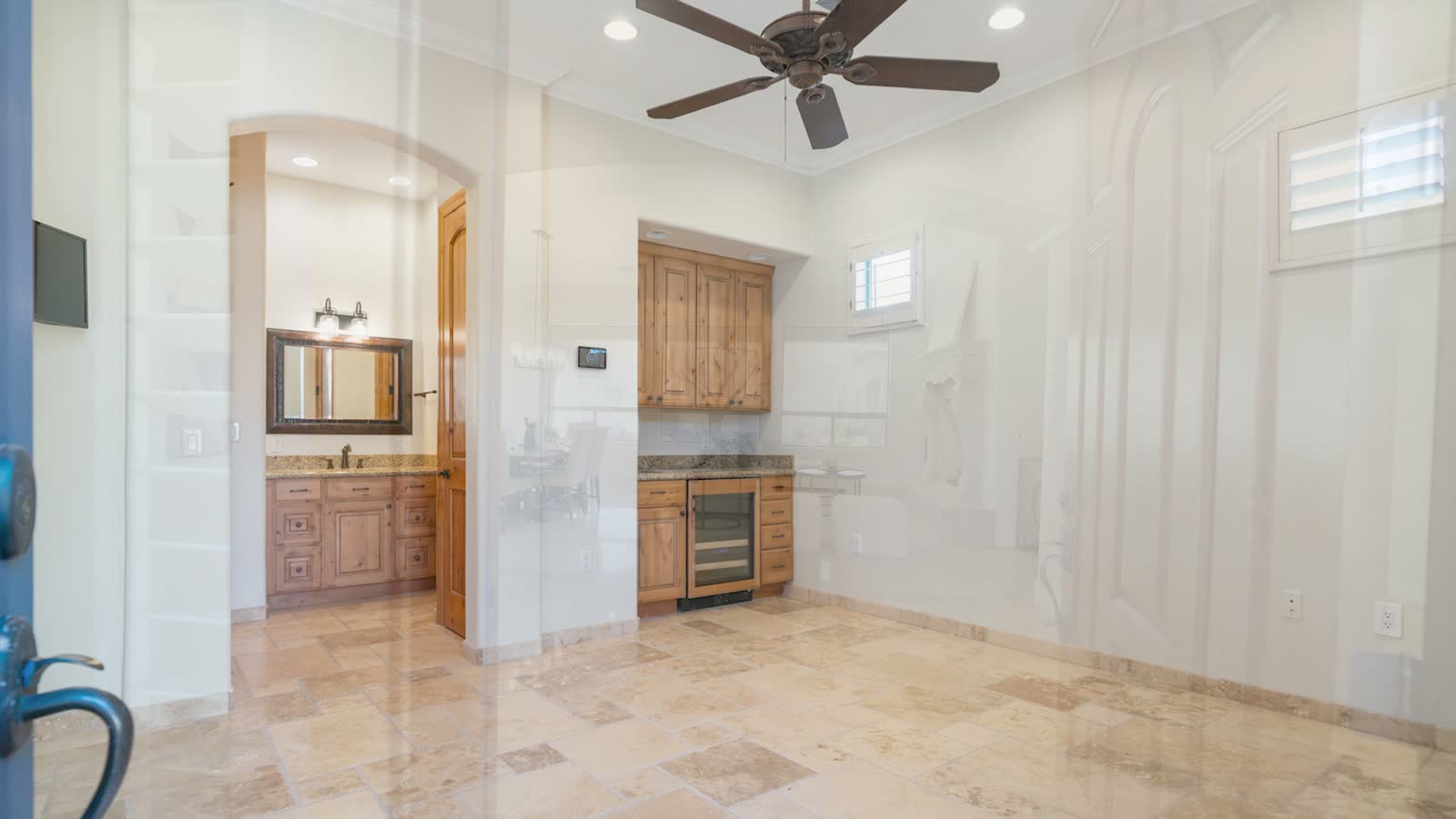
A room called a den, loft, or flex space can serve different purposes depending on your needs. Ask what you would do there today and what you may need it to do later. Measure the practical details that matter to you, such as wall space, outlets, door clearance, light, privacy, and furniture placement.
Do not assume a large room solves every problem. A space may be generous but difficult to furnish, while a smaller room may work well because it is near the activity it supports. Picture where your desk, dining table, exercise equipment, guest bed, or storage shelves would go. If a room needs several jobs, consider whether those uses can coexist comfortably.
For a more complete comparison, use the questions in this guide to comparing Ahwatukee homes beyond photos. Listing images can introduce a property, but they cannot tell you how the rooms connect or feel during your routine.
Look at storage where clutter begins
Storage is most useful when it is near the point of use. Check the entry, kitchen, bathrooms, bedrooms, laundry area, garage, and outdoor spaces. Open doors and look at shelf height, depth, and access. Think about seasonal items, tools, sports equipment, luggage, cleaning supplies, and the things you reach for every week.
Notice what is already stored in the home. Full closets or crowded cabinets can make capacity difficult to judge. Ask yourself whether your belongings would have a clear home or whether you would need to add furniture in living areas. A garage that technically holds a vehicle may not leave enough room for the equipment and projects you care about.
Storage decisions connect with the broader ownership budget. If you expect to add built-ins, shade, shelving, or other improvements, discuss the scope with the appropriate professional before relying on an estimate. For a broader list of ongoing questions, see how to evaluate storage in an Ahwatukee home.
If you would rather see how I handle this as a service rather than as advice, that is buying a home in Ahwatukee.
Test access and outdoor use
Walk the routes you would use repeatedly. Check the distance between the parking area and the entry, the transition from indoors to outdoors, and the location of laundry, bedrooms, bathrooms, and living spaces. Look for steps, narrow passages, gates, and surfaces that could affect how you carry groceries or move furniture.
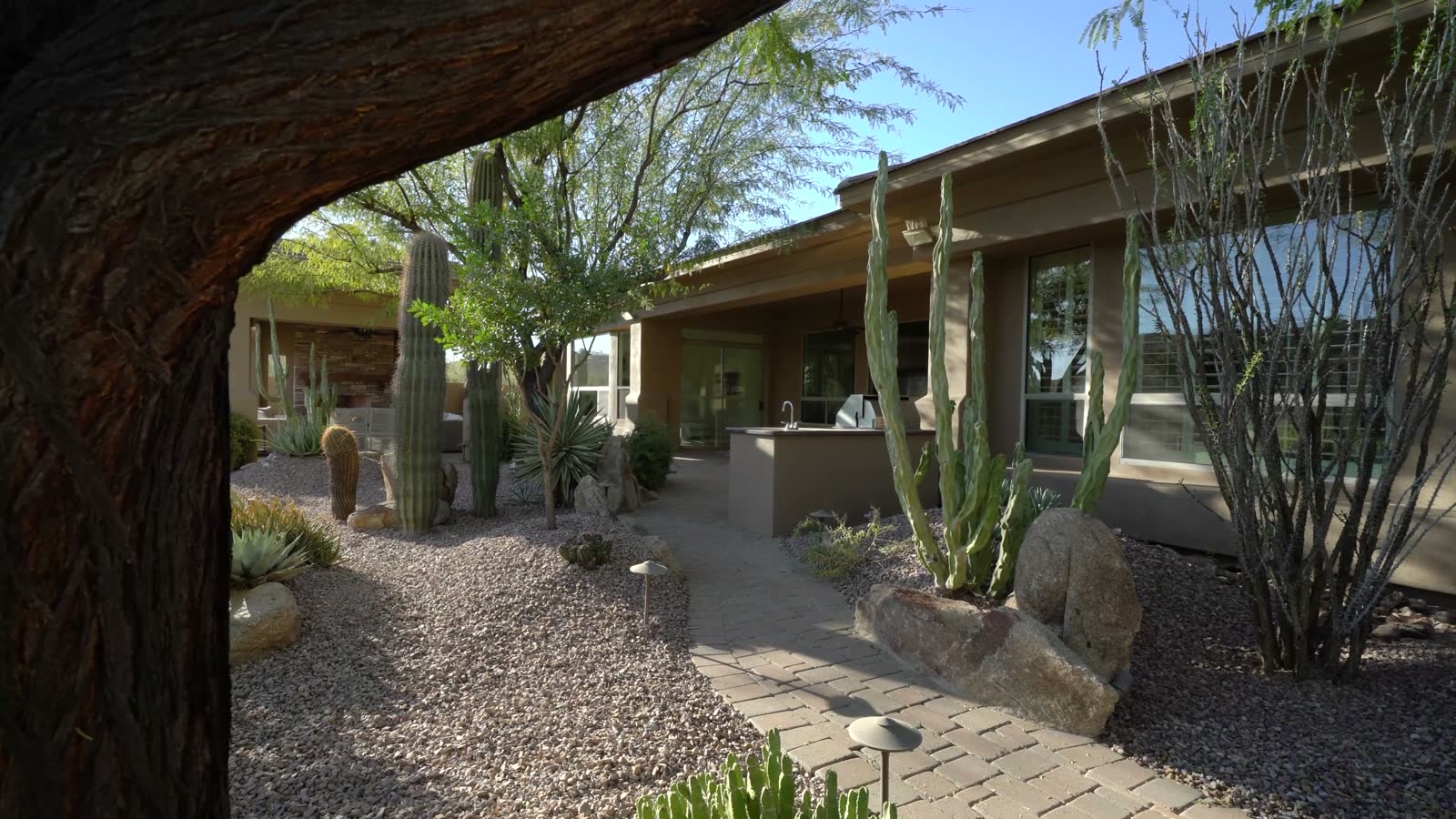
Then consider the outdoor space in the context of your habits. Would you use a patio for morning coffee, meals, quiet time, or gatherings? Is the shade where you would want it? Does the yard feel manageable for the amount of care you want to provide? Look at hose access, storage, drainage clues, and the relationship between the outdoor area and the rooms inside. You can read this outdoor-space checklist for Ahwatukee buyers before your next tour.
Separate preferences from requirements
After each showing, sort your notes into three groups: must work, would be helpful, and can change later. A bedroom location, parking arrangement, or daily route may be difficult to alter. Paint, light fixtures, shelving, and some furniture choices may be more flexible. This exercise keeps a charming detail from distracting you from a basic mismatch.
Also record the questions you cannot answer by looking. Ask about the age and condition of relevant systems, association rules when applicable, previous work, and any item that could affect your plans. Financing, insurance, tax, title, and legal questions should go to the licensed professional who handles that subject.
Use a second visit to test the decision
A second showing is a chance to revisit the home with a narrower purpose. Bring your routine list, take measurements, and stand in the rooms at the times you expect to use them. Walk from the parking area to the entry. Open storage. Check the view from the desk or favorite chair. If you are relocating, use a video call or ask your agent to show the details you cannot inspect in person.
Keep the conversation practical. You do not need to decide because a home is attractive, and you do not need to dismiss it because every detail is imperfect. The question is whether its structure, location, and condition support the life you are planning. If you need help turning those observations into a focused search, plan your Ahwatukee home search before visiting so each tour answers a real question.
Make the choice in writing
Before offering, write a short summary of why the home fits and what you would be accepting. Include the strongest daily advantages, the compromises, the questions still open, and the changes you would consider later. Review that list after the excitement of the showing has settled.
A home does not have to be perfect to be a good fit. It should give your important routines a reasonable place to happen and leave you comfortable with the work, costs, and decisions that come with ownership. When you compare homes this way, your search becomes clearer and your offer reflects a considered choice.
Where to go from here
A house fits your routine or it quietly fights it, and you usually find out in month two. Walk me through your week and I will tell you what to test before you commit.
Common questions
- What should I evaluate first when touring an Ahwatukee home?
- Start with the routines you repeat every day: arrival, departure, meals, work, rest, storage, and outdoor use. Then test the home's routes and rooms against those routines.
- How can I tell whether a floor plan fits my furniture?
- Measure the rooms, doors, and key walls, then sketch where your essential furniture would go. Check outlets, clearances, windows, and walkways before deciding that a room works.
- What storage areas should an Ahwatukee buyer inspect?
- Inspect entry storage, closets, cabinets, the pantry, laundry area, garage, and outdoor storage. Look at usable depth and access, not just the number of doors.
- Should I schedule a second showing before making an offer?
- A second showing can help you measure rooms, revisit daily routes, inspect storage, and resolve questions that a first visit did not answer. Use it with a focused checklist.
- What questions should I ask a professional before buying?
- Ask the relevant lender, inspector, insurance professional, title professional, tax professional, or attorney about questions in their area. Your real estate agent can help organize the next step.