Buying
How Do You Choose an Ahwatukee Home That Fits Daily Life?
August 8, 2026 · 6 min read · Ahwatukee
Begin with a normal weekday
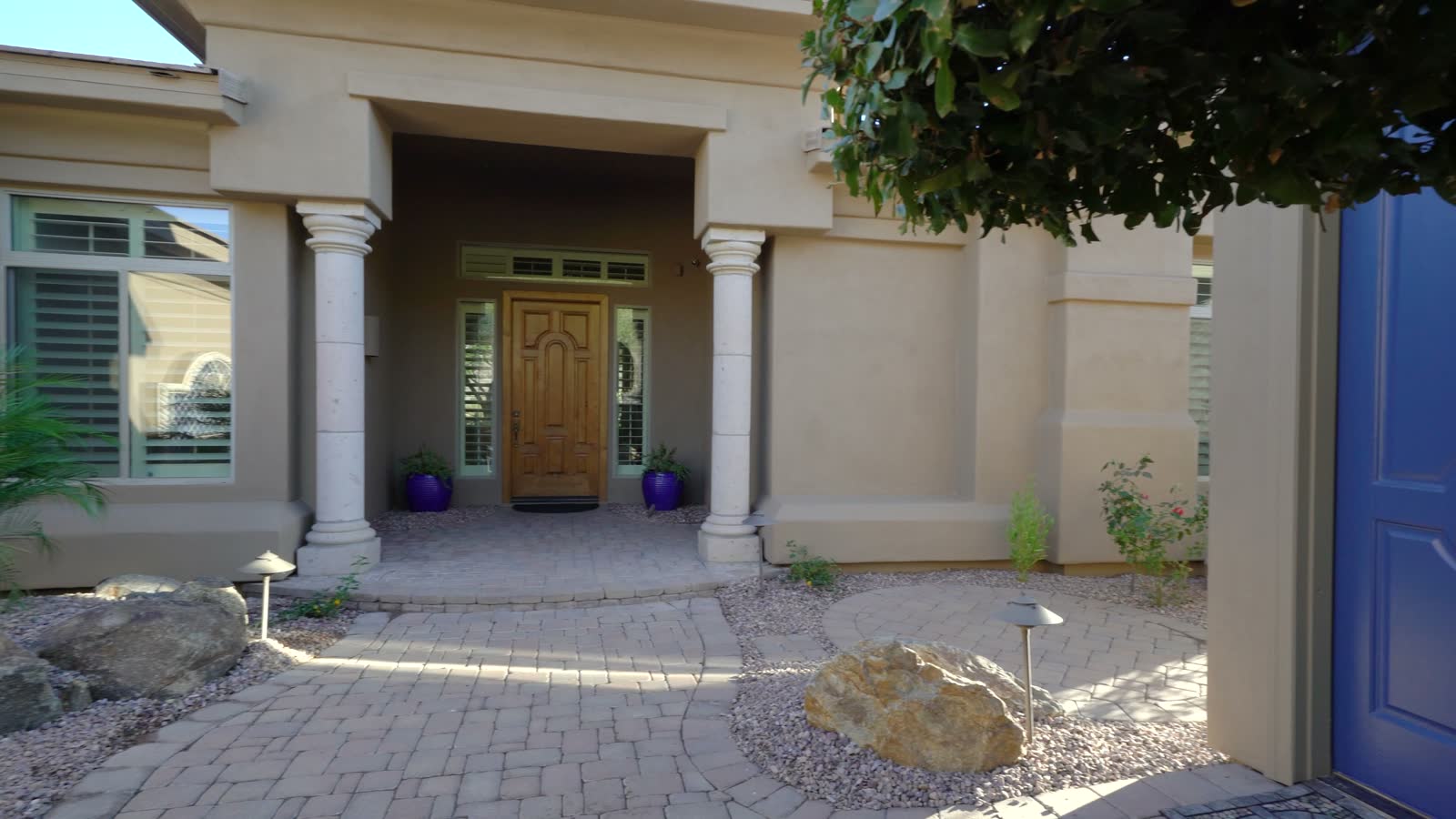
The right Ahwatukee home is the one that supports the way you actually live, not simply the one that looks best in listing photos. Before you decide, compare the home's layout, daily routes, upkeep, community rules, and likely future needs. A thoughtful showing should help you answer a practical question: can this home make ordinary days easier?
That answer will be different for every buyer. A person relocating to Phoenix may care about remote-tour support and a manageable arrival plan. Someone already familiar with Ahwatukee may focus on storage, work-from-home space, outdoor areas, or the effort required to maintain the property. Start with your own routines, then use the home to test them.
Imagine an ordinary morning from the moment you wake up. Where do people get ready? Is the kitchen connected to the spaces where you spend time? Does the bedroom location give you the quiet you want? Can you move through the home without creating bottlenecks?
Then picture the end of the day. Where do bags, shoes, packages, and keys land? Is there enough room to prepare a meal without moving everything off the counters? Would you enjoy the outdoor space, or would it become another task on your list? These questions sound simple, but they reveal more than a quick emotional reaction during a showing.
Keep a short note on your phone for each property. Record what felt easy, what felt awkward, and what you would need to change. Do not rely on memory after seeing several homes.
A note on where this comes from: eighteen years living in Ahwatukee and nine selling in it. I am Amy Richardson of Savvy Realty Group.
Compare the layout with your routines
Square footage alone does not tell you whether a home will work. Look at how the rooms connect and whether the usable space matches your priorities. A smaller home with a clear layout may suit you better than a larger home with rooms you rarely use.
- Entry: Is there a comfortable place for daily items, or would the first room become a drop zone?
- Kitchen: Does the work surface, storage, and connection to nearby rooms fit how you cook and gather?
- Bedrooms: Are they positioned in a way that supports privacy and your preferred use of each room?
- Flex space: Could a room serve as an office, hobby area, guest room, or quiet retreat without forcing constant rearranging?
- Storage: Are closets, cabinets, garage areas, and exterior storage suitable for what you own?
Bring a few measurements for items that matter, such as a desk, sectional, bed, or dining table. You do not need to plan every decorating detail before making an offer. You do want to notice when a favorite piece or essential function has no realistic place.
Study the home beyond the photos
Photos are useful for narrowing a search, but they cannot answer every practical question. During a showing, pay attention to natural light at the time you visit, views from frequently used rooms, the relationship between indoor and outdoor areas, and sounds you notice with the doors and windows closed.
Look closely at surfaces and transitions. Notice flooring changes, stair locations, ceiling heights, window placement, and the condition of areas that photographs may not emphasize. Open ordinary cabinets and closets if the showing allows it. Ask what is included and what is excluded rather than assuming an item will remain.
A second showing can be especially helpful because your first visit is often spent forming an overall impression. Use the next visit to test the details. The checklist for comparing Ahwatukee homes beyond photos can give you a useful structure for that visit.
Use a simple room-by-room checklist to connect a home's features with your everyday routines.
If you would rather see how I handle this as a service rather than as advice, that is buying a home in Ahwatukee.
Consider location as part of the home
A home's walls are only one part of your experience. Consider the roads you would use, the errands you make, access to the places that matter to you, and how the area connects with the rest of your plans. You can review Ahwatukee neighborhoods and ZIP codes for a practical overview of how to organize your search.
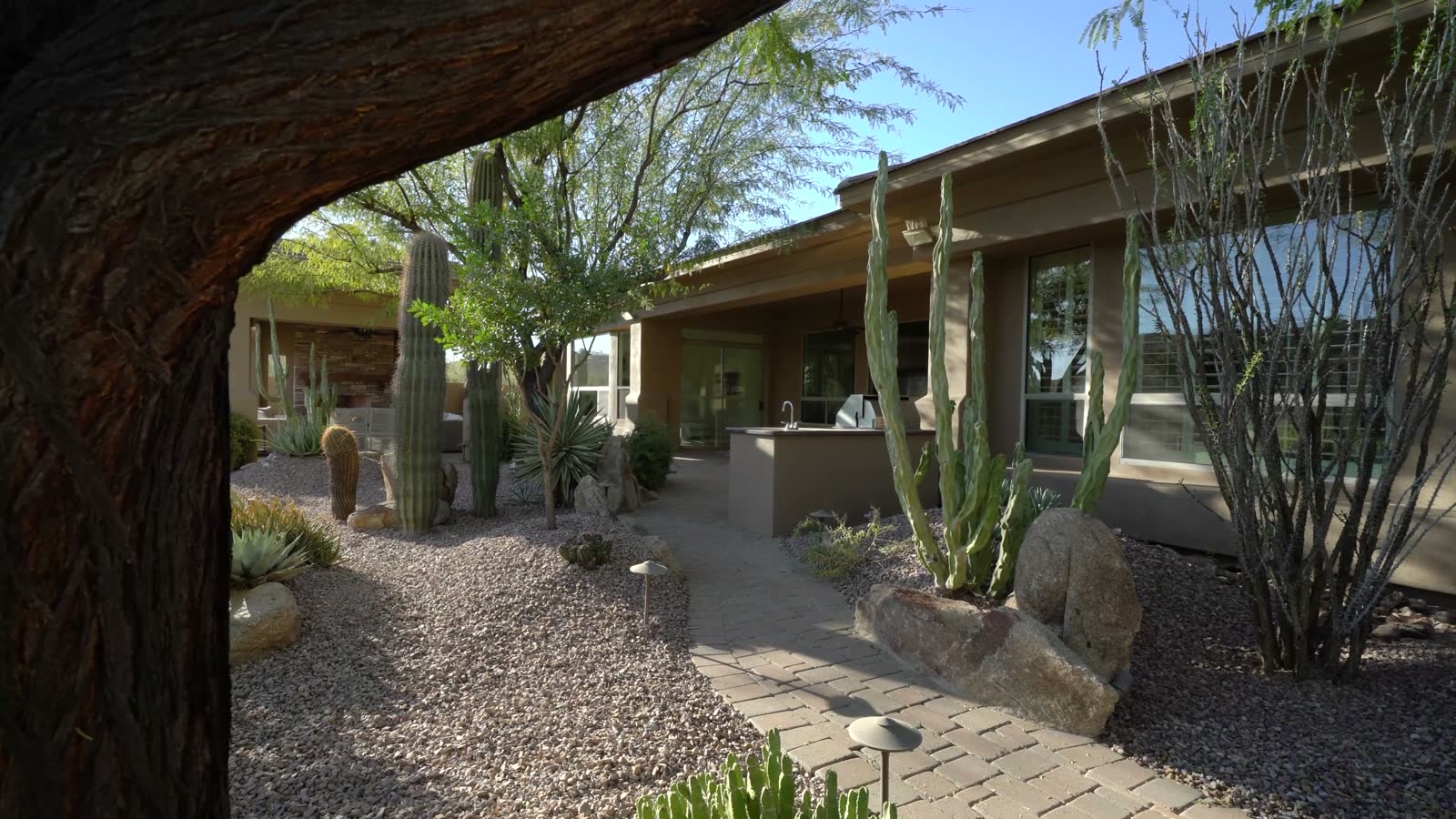
Visit the immediate surroundings at more than one time when possible. Notice the route from the street to the driveway, the feel of the lot, parking arrangements, and whether the outdoor setting matches your expectations. Neutral observations about road access, housing style, trail access, lot character, amenities, and HOA structure are more useful than trying to make a neighborhood sound universally right for everyone.
If you are moving from outside the area, make a list of questions that photographs cannot answer. A local showing conversation or virtual tour can help you compare the home's setting with your priorities. The guide to buying remotely in Phoenix and Ahwatukee covers ways to make that process more deliberate.
Ask about responsibility and restrictions
Before you become attached to a property, learn what ownership will ask of you. Ask about the age and service history of major systems, recent improvements, known maintenance items, and anything that may need a licensed professional's review. A home inspection is a separate part of due diligence, and you should direct technical questions to the appropriate inspector or contractor.
If the property is in an HOA, request and review the governing documents, rules, fees, notices, and other available information. Ask how the rules affect the parts of the home you care about, such as exterior changes, parking, rentals, or improvements. The Ahwatukee HOA questions guide can help you prepare before reviewing those documents.
For solar panels, insurance, financing, taxes, title, or legal questions, ask the relevant licensed professional. The goal is to identify questions early, not to guess at answers.
Use a decision scorecard
After each showing, rate the home in a few categories that matter to you: layout, location, storage, condition, outdoor space, ownership responsibilities, and overall fit. Use a simple scale such as strong fit, needs questions, or poor fit. Add one sentence explaining each rating.
Separate a preference from a true obstacle. Paint color may be changeable. A layout that cannot support your essential routine may not be. Likewise, an attractive feature should not erase a concern about access, upkeep, documents, or cost. If a question is unanswered, write it down and get an answer before moving forward.
Make the next step calmly
When a home fits your priorities, review the information with your agent and lender before writing an offer. Confirm that the proposed payment, terms, and timing are comfortable for your situation. Your agent can help organize property questions and offer strategy, while your lender and other licensed professionals handle their areas of expertise.
Buying a home is a significant decision, but it does not have to be made from a rush of impressions. Start with your day, examine the details, and let your own priorities guide the comparison. If you are still defining those priorities, Amy Richardson can help you build a clear search plan and meet you where you are.
Where to go from here
The house that photographs best and the house that suits your Tuesday are frequently not the same house. Tell me how you actually spend a week and I will tell you which of your shortlist fits it.
Common questions
- What is the first thing to consider when choosing an Ahwatukee home?
- Start with your ordinary routines. Consider how you use the entry, kitchen, bedrooms, storage, work areas, and outdoor space before comparing cosmetic features.
- How can I compare Ahwatukee homes after several showings?
- Use the same short scorecard for every property. Rate layout, location, storage, condition, outdoor space, responsibilities, and overall fit, then record unanswered questions.
- Should I attend a second showing before making an offer?
- A second showing can help you test details that are easy to miss initially, such as measurements, storage, sound, light, room flow, and items that remain with the home.
- What should I ask about an Ahwatukee HOA?
- Ask for the governing documents and available notices, then review fees, rules, maintenance responsibilities, parking, rentals, and restrictions that affect your plans.
- Who should answer technical questions about a home?
- Ask the appropriate licensed professional about inspections, systems, financing, insurance, taxes, title, or legal matters. Your real estate agent can help organize the questions.