Buying
How to Compare Ahwatukee Homes Beyond the Listing Photos
August 10, 2026 · 7 min read · Ahwatukee
Start with the life you want the home to support
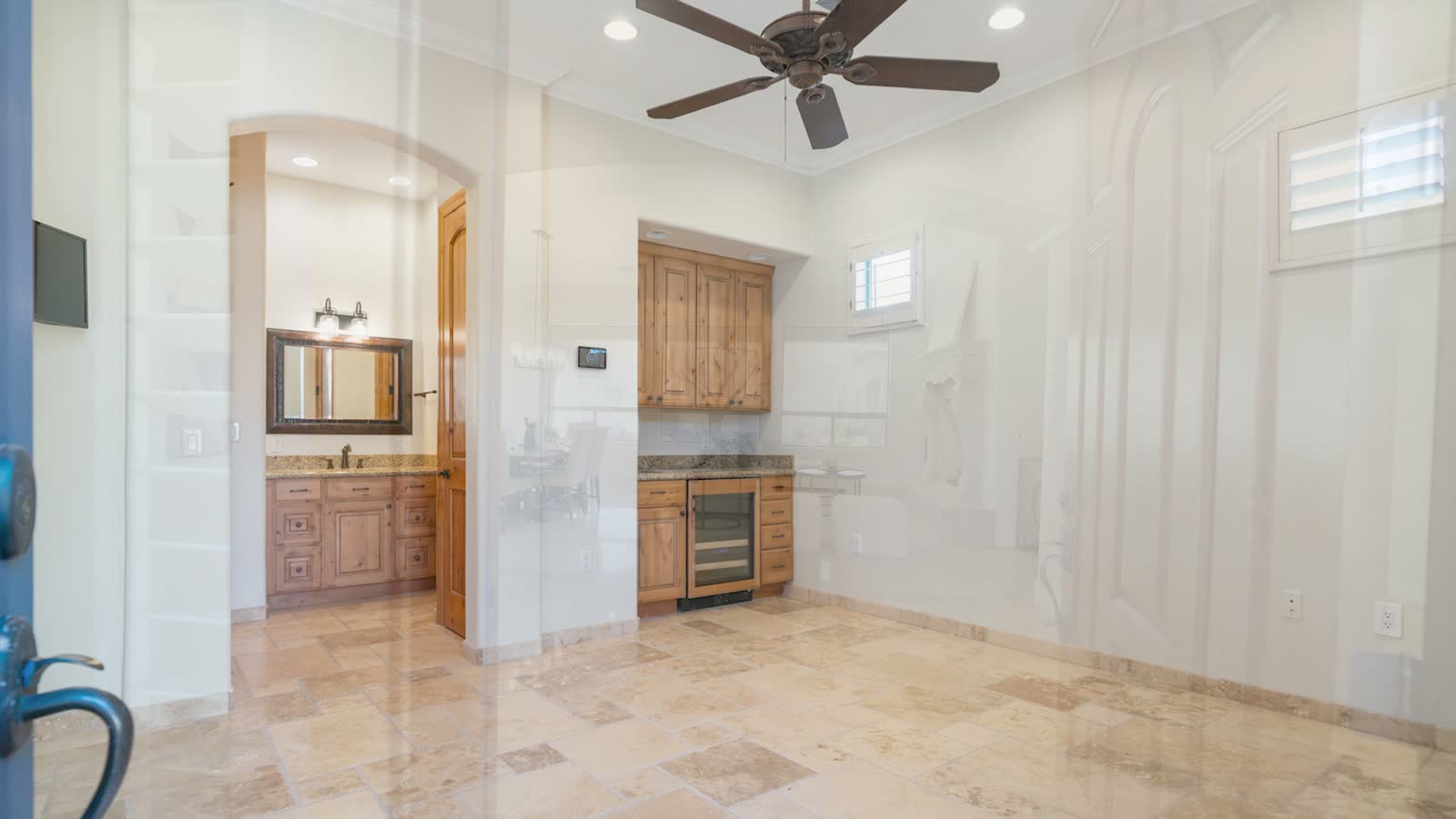
Listing photos help you decide whether to look closer, but they cannot tell you whether a home will work on an ordinary Tuesday. To compare Ahwatukee homes well, evaluate each property in the same order: daily location, layout, lot, condition, ownership responsibilities, and the changes you may want to make. A simple comparison process keeps a beautiful kitchen or a fresh coat of paint from making the whole decision for you.
This matters even more when you are relocating to Phoenix or viewing homes remotely. You may be comparing properties from a different city, working from a small set of appointment windows, or relying on a video tour. Your goal is not to find a home that looks perfect on a screen. Your goal is to understand the tradeoffs clearly enough to choose your next step.
A consistent checklist makes it easier to compare homes after the first impression fades.
Before you compare finishes, write down how you expect to use the home. Think about where you work, how often you cook, whether you need a quiet room for calls, how much outdoor space you will use, and what you want to keep close at hand. The right answer will be personal. Two homes can have similar bedroom counts and feel entirely different once your routines enter the picture.
For a relocation buyer, location questions deserve a specific conversation. Ask how the home connects to the places you expect to visit, such as work, family, shopping, recreation, or major roads. Ahwatukee is part of Phoenix, but its streets, communities, road access, and housing styles vary. A home that is convenient for one routine may be less convenient for another.
If you are still learning how the area is organized, the Ahwatukee neighborhoods and ZIP codes guide can give you a useful starting point for comparing locations. Treat it as a map for questions, then discuss the details that matter to your own plans.
I am Amy Richardson, a REALTOR® with HomeSmart. I run Savvy Realty Group, I have lived in Ahwatukee since 2008, and this is the version of it I give clients.
Compare the layout, not just the room count
Walk through each home using the same sequence. Notice what you see from the entry, how rooms connect, and whether the main paths feel natural. Ask yourself:
- Where would groceries, shoes, bags, and everyday mail go?
- Is there a comfortable place to work, host, rest, or have a private conversation?
- Does the kitchen connect to the areas where you expect people to gather?
- Would the furniture you already own fit without making the rooms feel crowded?
- Are the bedrooms positioned in a way that suits your need for quiet or separation?
Photos can make a small room look spacious or hide an awkward transition between rooms. If you are touring by video, ask for a slow walk from room to room rather than a series of polished clips. Ask the person showing the home to open closets, step into corners, and pause at doorways. Those ordinary views often reveal more than the wide-angle image.
Look carefully at the lot and the outside spaces
In Ahwatukee, the lot can shape your experience as much as the interior. Look at the relationship between the home, driveway, neighboring homes, walls, patios, and any outdoor area you expect to use. Consider whether the yard feels manageable for your routine and whether the placement of windows and doors gives you the kind of connection to the outdoors you want.
Ask what you can observe from the property and what you cannot determine from a short visit. Pay attention to sun exposure, shade, privacy, outdoor storage, and the condition of visible surfaces. You do not need to decide every landscaping project during the first showing. You do need to record questions for a closer review.
If you would rather see how I handle this as a service rather than as advice, that is buying a home in Ahwatukee.
Separate visible condition from future projects
Every resale home has a history. The useful question is not whether a home has any imperfections. Ask which items affect your comfort, budget, timing, or willingness to own the property.
Make three columns in your notes:
- Needs attention soon: items that could affect safe use, function, or your first months in the home.
- Would improve daily life: changes that matter to you but can wait while you settle in.
- Pure preference: finishes or colors you would change because they are not your style.
This keeps a dated cabinet from receiving the same weight as a concern that needs a qualified inspection. It also helps you compare homes honestly. One property may look more finished while another may have a layout you prefer. If preparation questions are becoming difficult to sort through, you can review how to think about updating a home versus selling as-is for a seller's perspective on improvements and tradeoffs. As a buyer, you can use the same habit of separating urgent needs from personal taste.
Understand the responsibilities that come with the home
Ask what ownership includes and what it requires. If the property is in an HOA, request the documents and read them with your intended use in mind. Questions may involve exterior changes, parking, landscaping, maintenance responsibilities, or community rules. An HOA document review is a matter to discuss with the appropriate professionals, but you can begin by identifying the questions that affect your decision.
Also ask which systems and features need regular care. That may include a pool, extensive landscaping, special equipment, or exterior areas that require attention. The point is not to reject a home because it has maintenance. It is to compare the work honestly with your time, preferences, and plans.
Use a scorecard, then slow down
A short scorecard can help when several homes begin to blur together. Give each property a note for location fit, layout fit, outdoor fit, condition, ongoing responsibility, and emotional fit. Use words such as strong, workable, concern, and unknown instead of pretending you can assign a precise number to everything.
Keep a separate list of unknowns. You may need more information about a feature, a document, a repair history, or a practical detail that was not visible during the tour. Unknown does not mean bad. It means you should not quietly fill in the answer with an assumption.
After you leave, imagine the first week in each home. Where would you park after a long day? Where would deliveries go? Which room would you use first in the morning? Would the route to the places you visit feel reasonable? These questions bring the decision back to lived experience.
Ask for a showing process that matches your needs
A good showing should leave you with clearer questions, not pressure to decide before you have context. Tell your agent how you prefer to communicate and whether you need a virtual tour, additional photos, measurements, or a second look. Amy's guide to buying a home remotely in Phoenix and Ahwatukee covers practical ways to make a remote search more manageable.
When you are ready to compare offers or prepare for the next stage, revisit your financing and contract questions with your lender, title professional, and other licensed advisers as appropriate. Your agent can help organize the real estate process and keep the questions moving to the right person.
Make the decision about fit, not perfection
The strongest home choice is usually the one whose tradeoffs make sense for your life. You may prefer a better layout over newer finishes, a manageable lot over extra outdoor space, or a location that supports your routine over a feature that photographs beautifully. Those are not universal rules. They are prompts to help you decide deliberately.
If you are comparing homes and want a local conversation about what to look for, Amy Richardson can help you build a search around your priorities, arrange in-person or virtual showings, and stay connected through the next steps. You can also review the practical guide to moving to Ahwatukee as you think through the broader move. The best next step is the one that gives you useful information without asking you to pretend every question has already been answered.
Where to go from here
Listing photos are marketing, and comparing two homes properly means knowing what the photos left out. If you are weighing a shortlist, send me the addresses and I will tell you what differs that you cannot see.
Common questions
- What is the most important thing to compare between Ahwatukee homes?
- Start with daily fit: location, layout, lot, condition, and ongoing responsibilities. A home should support your actual routines, not just look appealing in photos.
- How can I compare an Ahwatukee home during a virtual showing?
- Ask for a slow room-to-room walk, views from corners and doorways, open closets, and clear answers about features you cannot inspect through video. Keep an unknowns list for follow-up.
- Should I focus on move-in-ready finishes when comparing homes?
- Compare finishes with layout, location, condition, and your future plans. Separate urgent needs from improvements you would make because of personal taste.
- What should I ask about an HOA before choosing a home?
- Ask for the governing documents and review rules, fees, maintenance responsibilities, parking, and exterior-change requirements with the appropriate professionals.
- How do I avoid making a decision based only on listing photos?
- Use the same checklist for every property, record unknowns, and imagine ordinary routines such as parking, deliveries, mornings, and storage after the first impression fades.