Buying
How to Use the Home Inspection Period in Ahwatukee
August 6, 2026 · 6 min read · Ahwatukee
What the inspection period is for
The home inspection period is your opportunity to learn how the property works, identify questions, and decide how you want to proceed before closing. It is not a hunt for a perfect house. It is a focused information-gathering step that helps you understand the home's condition and plan your next conversation with your agent and other professionals.
Before you make an offer in Ahwatukee, it helps to know what you want from an inspection. You may be buying an established home with updates, original components, a pool, solar equipment, an HOA, or a combination of those details. Each property deserves its own review. Your inspection plan should follow the home in front of you, not a generic checklist.
A clear inspection plan helps you turn a detailed report into useful next steps.
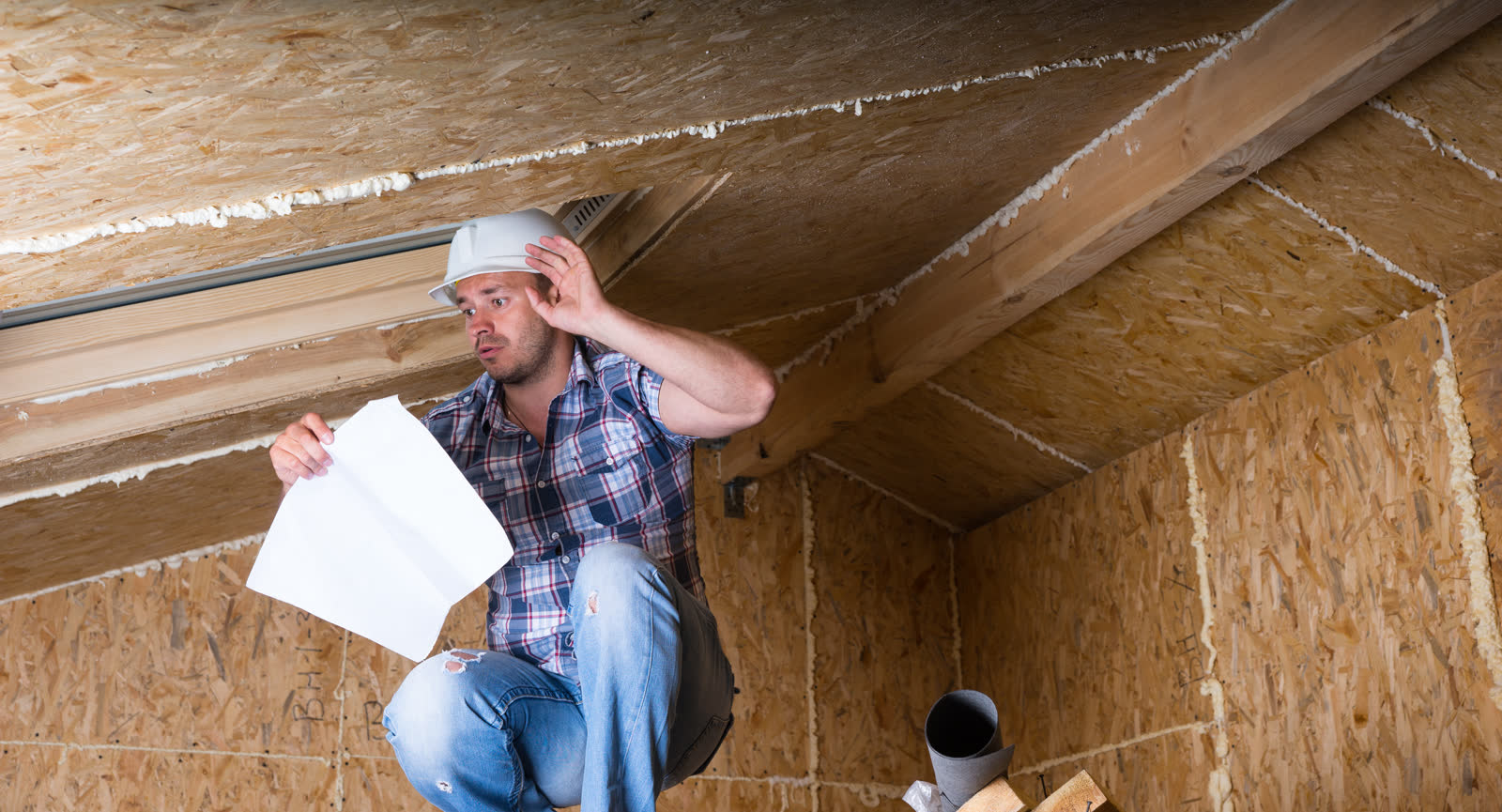
A general home inspection gives you a closer look at visible and accessible parts of the property. The inspector may discuss the structure, roof, exterior, plumbing, electrical systems, heating and cooling equipment, insulation, ventilation, appliances, and interior conditions. The report can be detailed, so the goal is to understand the items that affect safety, function, maintenance, and your plans for the home.
The inspection is also a chance to notice where you need a specialist. A general inspector may recommend further review of a roof concern, an unusual electrical condition, a drainage question, a pool component, or another system that needs expertise beyond the general inspection. A specialist's opinion can help you decide what information is still missing. It does not replace advice from a licensed contractor, engineer, electrician, plumber, pool professional, or other qualified person.
Your inspection is different from reviewing seller disclosures. Disclosures tell you what the seller reports about known conditions and history. The inspection gives you an independent set of observations about visible conditions at the time of the visit. Read both, and ask questions when the information does not seem to line up. For more on that part of the process, see how to review seller disclosures before buying in Ahwatukee.
For context on who is writing this: I am Amy Richardson of Savvy Realty Group, a REALTOR® with HomeSmart, and I have sold in Ahwatukee since 2017.
Plan the inspection before the appointment
Start by asking what the inspection includes and what it does not include. Confirm the appointment time, how long it will take, whether you can attend, and when you will receive the report. Ask whether the inspector evaluates specific features at the property or recommends a separate specialist. You can also ask what access is needed to areas such as the attic, roof, electrical panel, water heater, garage, crawl space, or equipment locations.
Bring the questions that came up during your showings. Maybe you noticed an older air-conditioning unit, a sloped floor, a repaired ceiling, a pool system, or a room that felt warmer than the rest of the house. Put those observations in writing so they do not get lost. If you are buying from outside the area, your agent can help you prepare questions and attend on your behalf when appropriate. A remote buyer can still receive a clear walk-through of the findings and discuss the practical choices afterward.
Review the listing information, seller disclosures, and any documents already available before the appointment. This is not about trying to diagnose a problem yourself. It is about giving the inspector and your agent useful context. If you are considering a home with solar panels, for example, keep the equipment and agreement questions separate from the general inspection and ask the appropriate professionals for the details that matter to you.
Attend when you can, but focus on learning
Walking through the property with the inspector can help you understand the report later. Take notes, listen to the explanation, and ask for plain-language clarification. You do not need to follow every technical detail in real time. Pay attention to the location of shutoff valves, the condition of major systems, maintenance reminders, and anything the inspector recommends for further evaluation.
Try to separate observations from decisions. An inspection may identify many small maintenance items. That does not automatically mean the home is a poor fit. It also does not mean a significant concern should be ignored. Ask what the issue is, where it is located, what could happen if it remains unresolved, and what kind of professional should evaluate it. Then consider the property's condition alongside your budget, intended use, comfort level, and the terms of your contract.
If you would rather see how I handle this as a service rather than as advice, that is buying a home in Ahwatukee.
How to read the report without feeling overwhelmed
Read the summary first, then go back through the report by system. Mark each item as one of three things: a routine maintenance task, a question that needs more information, or a concern that may affect your decision. This simple sorting method keeps every sentence from feeling equally urgent.
- Routine maintenance: Items such as cleaning, adjusting, monitoring, or scheduling ordinary service may belong on a future home-care list.
- More information: A recommendation for specialist review, an inaccessible area, or an unclear repair history may need follow-up before you decide.
- Meaningful concern: A safety issue, major system problem, water intrusion concern, or structural question deserves prompt attention from the right professional.
Look for patterns. One small note may be easy to address, while several observations in the same area could suggest a larger question. Also notice what the report cannot confirm because something was inaccessible or outside the inspection's scope. A clean-looking page does not answer a question the inspector could not evaluate.
Questions to ask after the inspection
Your next conversation should be specific. Instead of asking whether the house is good or bad, ask what the findings mean for your choice. Useful questions include:
- Which items should be reviewed by a specialist before the inspection period ends?
- Which conditions affect safety or the operation of a major system?
- Which items are maintenance tasks rather than immediate repair concerns?
- What additional records, invoices, permits, or warranties would help clarify the history?
- Is an issue concentrated in one area, or does it appear across multiple systems?
- What options does the contract provide, and what dates or notices should I track?
Your agent can explain the transaction steps and help organize the conversation, but your agent is not a substitute for technical, legal, tax, insurance, or lending advice. When a finding could change your decision, get the right licensed professional involved. Keep copies of reports and written responses with your transaction records.
Decide with the whole home in view
After you have answers, return to the reason you chose the property. Compare the findings with the home features you value, the work you are prepared to take on, and the information you still need. You may continue, request a conversation about repairs or other contract options, seek a specialist opinion, or decide the home is not right for you. The best choice depends on the property and your agreement, not on a universal rule.
If you are still comparing homes, use this Ahwatukee home comparison checklist before you make an offer. If you are already under contract, review what happens after an Ahwatukee offer is accepted so the inspection fits into the larger sequence. And when you reach the end of the transaction, prepare for the final walkthrough as a separate check of the home's condition and agreed items.
A thoughtful inspection period gives you better questions and a clearer decision. That is the purpose: understand the home, communicate early, and move forward with a plan that fits your situation.
Where to go from here
The inspection period is short, the deadlines inside it are shorter, and nothing verbal extends any of them. If you are about to write an offer, let us build the calendar before you are living inside it.
Common questions
- Should I attend the home inspection in Ahwatukee?
- Attend if you can, because seeing the inspector's observations can make the report easier to understand. If you cannot attend, arrange a detailed review and ask your agent about a remote walk-through when appropriate.
- What should I bring to a home inspection?
- Bring your showing notes, questions about visible conditions, and any concerns about major systems or features. Wear practical clothing and follow the inspector's safety instructions.
- Does a home inspection find every problem?
- No. A general inspection observes visible and accessible conditions within its scope. The report may recommend specialist evaluations, and inaccessible areas or concealed conditions may require separate review.
- What should I do if the inspection report is long?
- Read the summary first, then sort findings into routine maintenance, questions needing more information, and meaningful concerns. Discuss specialist recommendations and contract options promptly.
- Can an inspection change my decision to buy?
- It can provide information that changes how you view the property. Review the findings with your agent and the appropriate licensed professionals, then consider the choices allowed by your contract.