Buying
What Should You Check During a Second Showing in Ahwatukee?
August 7, 2026 · 6 min read · Ahwatukee
Start with the questions from your first visit
A second showing is your chance to slow down and test whether a home fits your daily life. On the first visit, you may focus on the floor plan, finishes, and overall feeling. On the second, walk the property with a short checklist, revisit anything uncertain, and write down questions for your agent, lender, inspector, or another qualified professional.
You do not need to make the visit complicated. Look carefully at the home, the lot, the route through the property, and practical details that are easy to miss when a listing is presented for the first time. A thoughtful second showing can help you decide whether to move forward, request information, or keep looking.
Use a second showing to replace first impressions with practical questions.
Review your notes before returning. Which rooms did you want to measure? Did you wonder about an appliance, repair, storage area, or outdoor feature? Did the home seem different from the listing photos in a way you want to understand?
Bring those questions with you. It is easy to remember one big question and forget the small ones once you are standing in the kitchen again. If you are relocating to the Phoenix area, a written list is especially useful when some observations came from a virtual tour. Ask your agent to revisit details that were difficult to see on a screen. For more planning help, read how remote buying in Phoenix and Ahwatukee can work.
I am Amy Richardson, REALTOR® at HomeSmart, writing from Savvy Realty Group here in Ahwatukee.
Walk the home as you would use it
Instead of touring only room by room, imagine an ordinary day. Stand at the entry and picture where keys, bags, shoes, and mail would go. Walk from the sleeping areas to the kitchen. Open doors and drawers where permitted. Consider whether storage is convenient for the way you live, rather than simply noticing that storage exists.
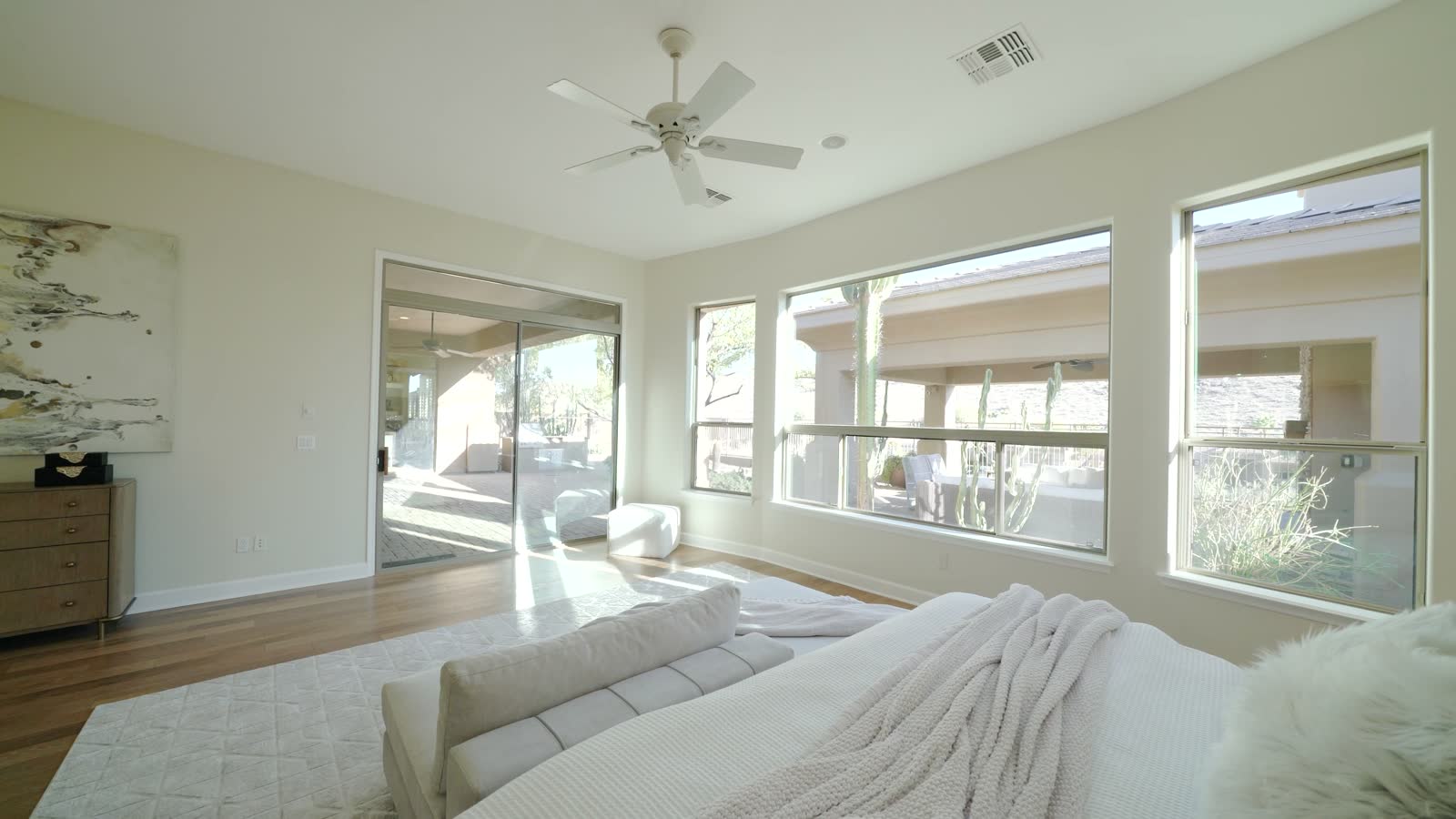
Pay attention to movement through the home. Is there a natural place for a desk, dining table, exercise equipment, or frequently used supplies? Would furniture you already own fit? Notice ceiling height, window placement, light at the time of your visit, flooring transitions, and surface condition. These observations are not a substitute for an inspection, but they can identify better questions before you write an offer. You may also find it useful to compare homes with this guide to comparing Ahwatukee homes beyond photos.
Check practical details
Ask permission before testing anything and leave the property as you found it. You might check:
- Whether doors, windows, and cabinets open and close as expected.
- Where the laundry, water heater, electrical panel, and major equipment are located.
- How much storage is available in closets, the garage, and exterior areas.
- Whether the yard, patio, pool area, or other outdoor space suits your intended use.
- What appears to be included with the sale and what may be personal property.
- Any visible condition you want a licensed inspector or contractor to examine.
Do not turn a brief showing into a do-it-yourself inspection. A home inspector can evaluate systems and conditions in the proper setting. Send questions about insurance, financing, taxes, title, or legal matters to the relevant licensed professional.
If you would rather see how I handle this as a service rather than as advice, that is buying a home in Ahwatukee.
Study the lot and immediate surroundings
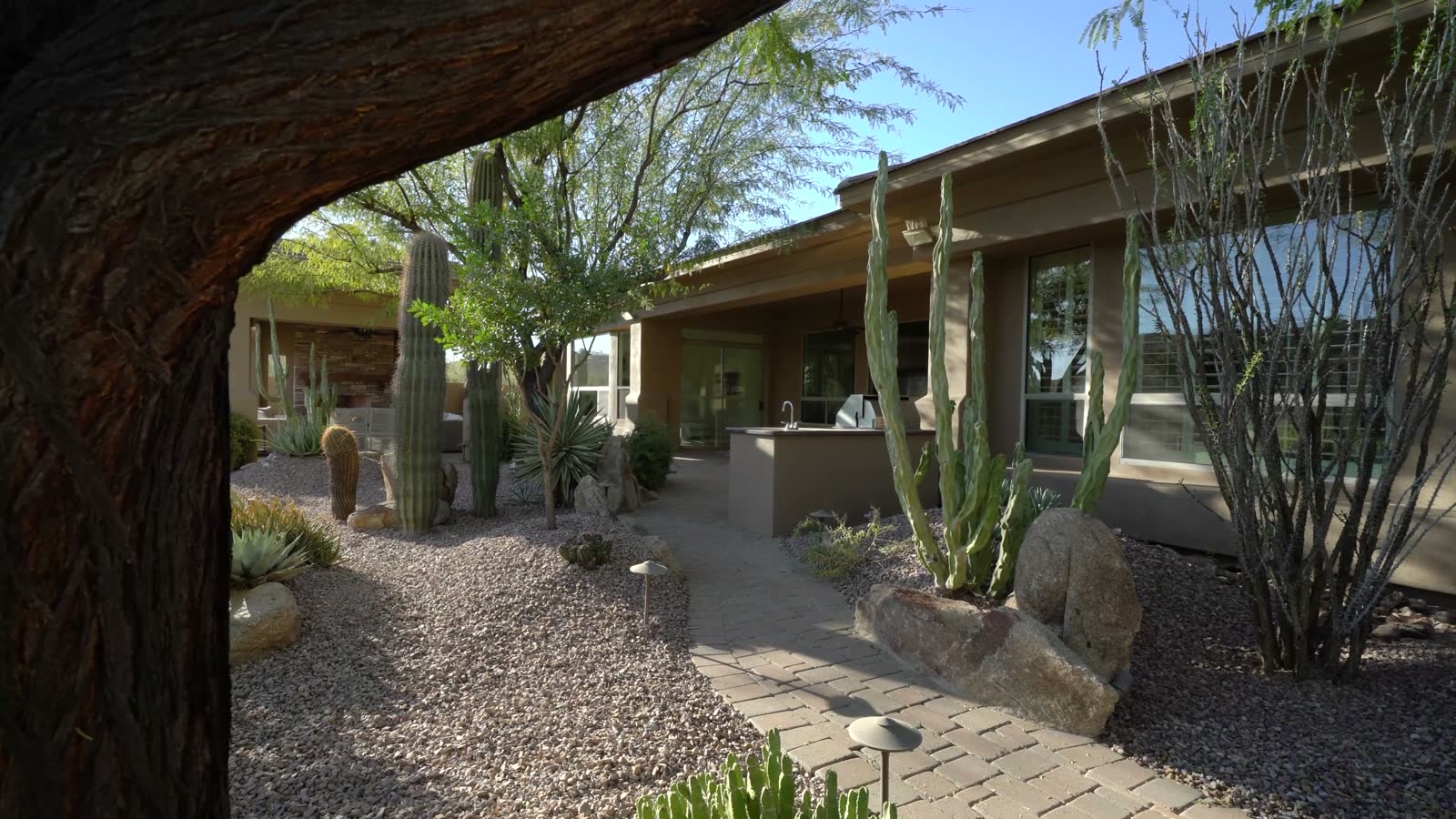
Spend a few minutes outside. Notice how the home sits on its lot, where vehicles enter and exit, and how outdoor areas connect to the interior. Consider privacy, shade, hardscape, landscaping, and the amount of ongoing care you would be comfortable managing.
Listen as well as look. You may notice traffic, nearby activity, air-conditioning equipment, or other sounds that were not apparent during the first visit. Conditions can vary by time of day, so ask what your agent knows and decide whether another visit would help. Keep observations neutral and property-focused. A local professional can help you gather information without making assumptions about who lives nearby.
If the property is in an HOA, request the governing documents and review rules, fees, maintenance responsibilities, and approval requirements with the proper professionals. This Ahwatukee HOA guide can give you a useful starting list.
Separate facts, questions, and preferences
Divide your notes into three sections. Record facts you observed, such as a sticking door or a particular storage layout. List questions that need documentation or professional guidance. Then note preferences, such as wanting a larger covered patio or a different room arrangement.
This separation keeps one preference from feeling like a major defect, and it helps you avoid treating an unanswered question as a confirmed problem. It also gives your agent a clear way to help. Amy's buyer process includes a discovery conversation, neighborhood comparison, search setup, communication preferences, showing support, offer strategy, and help through closing. The goal is to meet you where you are and make the next decision clearer.
Bring a simple showing kit
Bring your questions, a phone for notes or permitted photos, a tape measure if the seller allows it, and a list of furniture dimensions. If more than one person is buying, agree on how you will record separate reactions. Ask before taking photographs, videos, measurements, or opening areas that are not already accessible. Respect the seller's privacy and showing instructions.
If you cannot attend in person, ask about a live video walkthrough and request close views of the details that matter most. A remote showing can be useful, but ask for time to pause, compare, and record questions.
When should you schedule another visit?
Schedule another visit when a question could change your decision, when a key buyer has not seen the home, or when the first visit was rushed. You may also want another look after receiving documents or answers. A second showing is not a commitment to buy. It is a way to gather enough information to make a responsible choice.
Before leaving, identify the next step. You might review disclosures, confirm financing questions with your lender, request an inspection, compare the home with another option, or decide this property is not the right fit. If you are still unsure, that uncertainty is information. Talk through the tradeoffs rather than forcing a decision because you have already invested time.
A calm second showing creates a clearer next step
The best second showing is focused and honest. Revisit original questions, walk through the home as you would live in it, examine practical details, consider the lot, and separate observations from preferences. Then use the right professional for questions about condition, financing, insurance, title, taxes, or legal matters.
If you are preparing to buy in Ahwatukee or elsewhere in the Phoenix area, I can help you organize the showing process and compare what you learn. My role is to serve, not sell, so you can move forward when the information and the home feel right for you. You can also review the practical Ahwatukee neighborhoods guide as you compare locations.
Where to go from here
A second showing is for the questions the first one made you think of, and it is worth planning rather than repeating. Tell me which house you are going back to and I will tell you what to check this time.
Common questions
- What is the purpose of a second showing?
- It gives you time to revisit the home's layout, condition, storage, outdoor space, and unanswered questions after the first impression has settled.
- Should I bring a home inspection checklist?
- Bring questions and observations, but do not treat a showing as an inspection. A licensed home inspector should evaluate systems and conditions professionally.
- Can I take measurements or photos?
- Ask for permission first and follow the showing instructions. A permitted photo or measurement can help with furniture planning and follow-up questions.
- What should I check outside the home?
- Look at the lot layout, access, storage, shade, landscaping, hardscape, outdoor areas, and sounds you notice during the visit.
- Should every buyer schedule a second showing?
- Not necessarily, but another visit is helpful when the decision is significant, a key buyer has not seen the home, or important questions remain unanswered.