Buying
How to Evaluate Storage When Buying an Ahwatukee Home
August 11, 2026 · 8 min read · Ahwatukee
Begin with the garage
When you compare Ahwatukee homes, storage deserves the same careful attention as bedrooms, bathrooms, and the kitchen. A home can look spacious during a short showing and still leave you searching for places to keep everyday items. The best approach is to inspect storage by category, imagine your normal routines, and separate usable capacity from space that only looks impressive in photos.
Start by asking a simple question: where would each part of your household's daily life go? Think about clothing, linens, cleaning supplies, tools, sports equipment, seasonal decorations, luggage, pantry items, and items you may need to store after a move. You do not need a perfect answer during the first visit, but you do need enough information to decide whether the home's storage matches the way you live.
In many Ahwatukee homes, the garage has to do more than shelter vehicles. It may also hold bicycles, gardening supplies, holiday containers, tools, a freezer, workout equipment, or workshop materials. Stand inside the garage and look at the usable floor area rather than the door opening alone. Picture both vehicles parked inside, then mark the remaining zones mentally.
Check whether built-in cabinets or shelves are included, and look at their condition. Open doors and drawers if the showing allows it. Notice whether shelves are deep enough for the items you actually own. A tall cabinet may provide useful capacity, while a shallow row of shelves may be better for small bins and household supplies.
Also inspect the walls and ceiling for clues about how storage has been added. Wall-mounted racks can be helpful, but you should understand whether they are included in the sale and whether their placement affects vehicle doors or walking paths. If you would add substantial shelving, ask your agent what to confirm with the seller and any applicable association before relying on that plan.
I am Amy Richardson. Savvy Realty Group is my practice, HomeSmart is my brokerage, and Ahwatukee has been home since 2008.
Look beyond bedroom closets
Walk through every bedroom and open every closet that you are permitted to inspect. A closet's shape matters as much as its size. A long, narrow closet may provide more usable hanging space than a deep corner with difficult access. Look for a combination of hanging rods, shelves, and floor space. Notice whether doors, windows, or air vents reduce the area where furniture or organizers could go.
Do not assume that a walk-in closet automatically solves storage needs. Stand inside it and consider whether two people could use it comfortably if that is your plan. Check the height of the rods and shelves, and look for signs that the current system was customized around the seller's belongings. You may be able to change it later, but that project should be part of your honest evaluation.
Then inspect hallway and linen closets. These smaller spaces often determine whether towels, sheets, medicines, paper goods, and cleaning supplies have a practical home. A house with modest bedroom closets can still work well if hall storage is thoughtfully placed. The reverse can also be true.
Test kitchen and pantry capacity
Storage in the kitchen is about access, not just cabinet count. Open a representative selection of cabinets and drawers. Look beneath the sink, beside the range, and in corner cabinets. Deep shelves may hold large appliances, but they can also hide items at the back. Drawers near the food preparation area may be more useful for utensils and everyday tools.
If the home has a pantry, measure its practical depth with your eyes and consider the door swing. A narrow pantry with adjustable shelves may be easier to use than a larger closet with fixed, widely spaced shelves. Look for a place for small appliances if you do not want them on the counters. Check whether the refrigerator opening and nearby cabinets would accommodate the appliances you already own, but have a professional verify dimensions before you make a final decision.
Storage can also affect how a home feels during ordinary routines. Imagine unloading groceries, preparing a meal, packing lunches, and cleaning up afterward. If every step requires moving items between rooms, the home may feel less functional than its floor plan suggests.
Compare storage by daily use: the right location can matter as much as the total amount of space.
If you would rather see how I handle this as a service rather than as advice, that is buying a home in Ahwatukee and downsizing in Ahwatukee.
Check the less obvious storage areas
Look for coat closets near the entry, a cabinet for towels near the pool or outdoor area, and a place for cleaning tools. If the home has a laundry room, inspect cabinets, shelves, and the space above the appliances. Ask yourself where a vacuum, mop, broom, extra supplies, and laundry baskets would live.
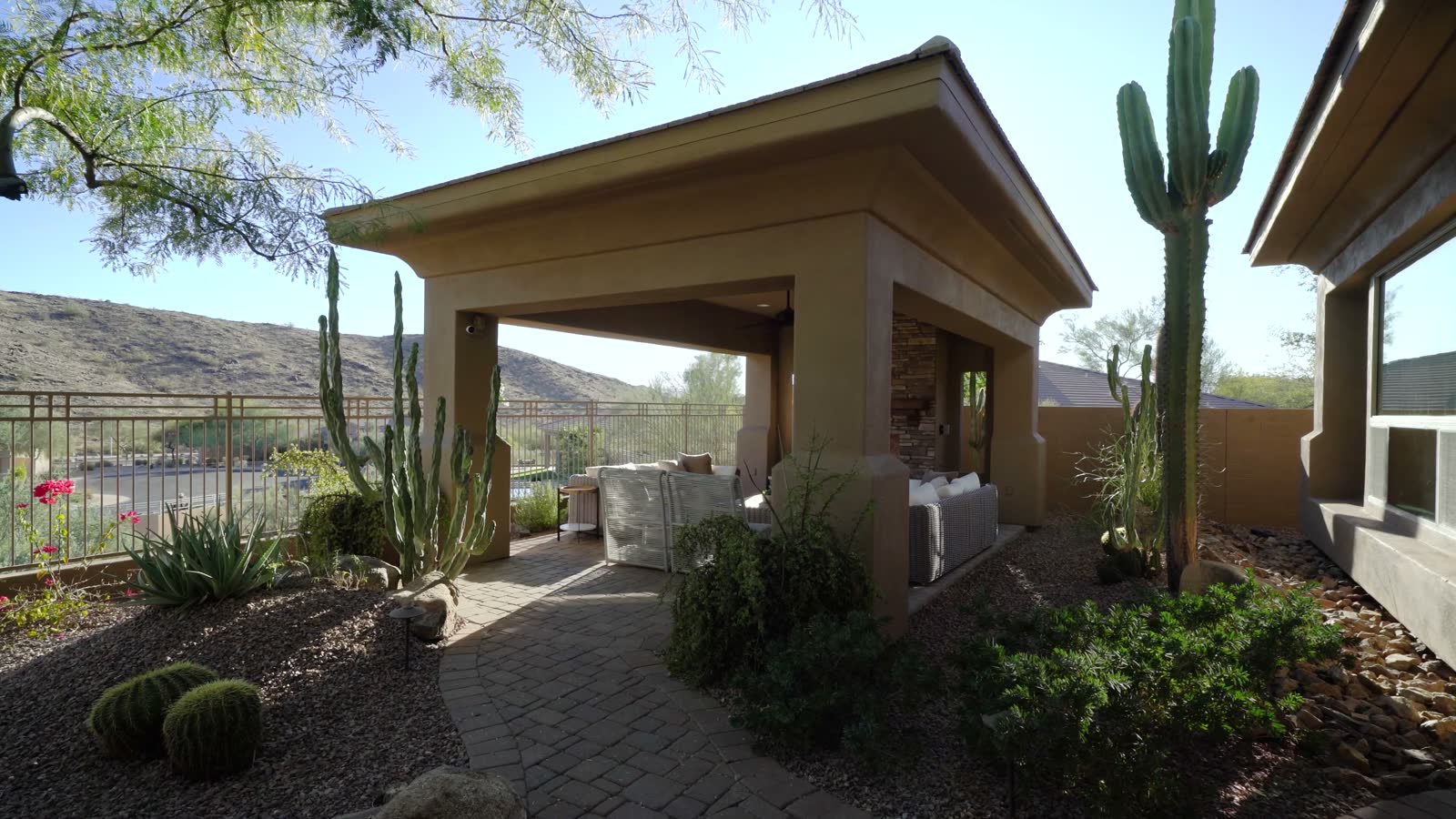
Outdoor storage needs its own review. Walk the patio, side yard, and any exterior closets. Consider shade, drainage, access, and whether the location is convenient enough that you would actually use it. A shed or cabinet may be present, but determine whether it is included and whether its condition meets your needs. For homes with an HOA, confirm rules and documents with the appropriate parties before assuming you can add an exterior structure.
Attics and overhead garage areas deserve caution. They may offer capacity, but access, insulation, ventilation, and load limits are practical questions. Do not climb into an unfamiliar space during a showing. Ask what can be verified through the inspection process, and consult a qualified professional when a storage idea depends on building conditions.
Separate current clutter from actual capacity
A home filled with belongings can be difficult to judge, while an almost empty home can make rooms seem larger than they will feel after you move in. Try to evaluate the physical features that remain: closet dimensions, cabinet layouts, shelving, doors, and clear floor area. Ask whether the seller's storage system is included, and do not count movable bins, freestanding wardrobes, or garage contents unless they are specifically part of the agreement.
Take notes by room rather than relying on memory. A simple list might include bedroom closets, linen storage, pantry, kitchen drawers, garage zones, laundry storage, and exterior areas. Mark each one as ready to use, workable with changes, or uncertain. That gives you a clearer comparison when you are reviewing several homes.
If you need a broader way to compare properties, pair this storage review with the questions in how to compare Ahwatukee homes beyond photos. Storage is one part of fit, along with layout, upkeep, outdoor space, and the routines you want the home to support.
Ask questions before you write an offer
Before you decide, ask which storage features convey with the property. This can include garage cabinets, wall racks, pantry organizers, attached shelves, outdoor cabinets, and custom closet systems. Your agent can help identify questions for the seller and make sure important details are documented appropriately.
If the home is in an HOA community, ask for the governing documents and review any rules that may affect exterior storage, parking, or modifications. For a home with solar equipment, leased items, or other agreements, treat those as separate due-diligence questions. Storage is not a substitute for a full inspection, title review, insurance conversation, or professional advice about a purchase.
You can also compare storage against your moving plan. If you are relocating from another Phoenix-area community, create a short inventory of the items you expect to bring. If you are buying remotely, request specific measurements, cabinet photos, or a live video walk-through rather than making assumptions from listing images. Amy's remote home buying process for Phoenix and Ahwatukee can help you think through what to verify when you cannot be there for every showing.
Make storage part of the whole-home decision
Storage rarely makes a home the right choice by itself, but it can reveal whether the home will support your days without constant workarounds. Compare what is available, what could be changed, and what would require a larger project. Be honest about the items you own and the habits you want to keep.
If a home needs decluttering or organization before sale, that is a different conversation from judging its long-term capacity as a buyer. You can learn more about practical preparation in this guide to preparing an Ahwatukee home after 20 years, while remembering that a seller's preparation plan and a buyer's storage needs are not the same decision.
Finally, consider how storage fits your next chapter. A home with fewer closets may still work if it has a flexible room, a well-planned garage, or a layout that keeps everyday items close at hand. A larger home may create more room to store things without making them easier to find. If you want help comparing homes around your actual routines, Amy's daily-life home selection guide offers another useful lens. The goal is a clear decision that feels workable after moving day, not a checklist that ends when the offer is accepted.
Where to go from here
Storage is the thing nobody evaluates and everybody complains about within a year. If you are coming from a larger house, tell me what you are bringing and we will work out whether it fits.
Common questions
- What storage areas should I inspect first in an Ahwatukee home?
- Start with the garage, bedroom closets, linen closets, pantry, laundry area, and any exterior storage. These spaces usually reveal whether the home can support your daily routines and larger belongings.
- Should I count garage cabinets and closet organizers as part of the home?
- Only count them after confirming whether they are included in the sale. Ask about built-in cabinets, wall racks, freestanding systems, and custom organizers so your expectations match the written agreement.
- How can I evaluate storage when buying a home remotely?
- Request room-by-room photos, measurements, and a live video walk-through of closets, cabinets, the garage, and exterior areas. Ask your representative to open doors and show depth instead of relying on listing photos.
- Can I add storage to an Ahwatukee home after buying it?
- Possibly, but the answer depends on the space, building conditions, permits, and any HOA rules. Confirm the details with qualified professionals before treating an addition or modification as part of your buying decision.
- What if a home has enough storage but the layout feels inconvenient?
- Consider where items are stored and how often you use them. Capacity is helpful, but storage that is difficult to access may not support your routines as well as a smaller, better-placed system.