Selling
How to Prepare Your Ahwatukee Home After 20 Years
August 14, 2026 · 7 min read · Ahwatukee
Start with your goals and a workable timeline
The best way to prepare your Ahwatukee home after 20 years is to create a clear order of operations, not to try to fix everything at once. Start with your goals and timing, then sort each room into keep, move, donate, repair, or simply note. A thoughtful preparation plan protects your energy and helps you spend money only where it supports your next step.
If the home holds years of memories, feeling overwhelmed is understandable. Preparation is not a test of how perfectly you have maintained your house. It is a series of manageable decisions. I help long-time Ahwatukee homeowners separate the emotional work from the practical work so the process can move forward with more ease and peace of mind.
Before opening a closet, decide what you want the move to accomplish. Are you hoping to sell soon, preparing several months ahead, or still deciding whether a move makes sense? Your answer changes what deserves attention first.
Write down a target season, any nonnegotiable dates, and the help you already have available. Include time for sorting, vendor appointments, photography, showings, and the move itself. A timeline with breathing room is more useful than an ambitious list that leaves you exhausted.
A conversation about value can help set priorities. My guide to what your Ahwatukee home may be worth explains why condition, presentation, location, and buyer expectations all belong in the planning conversation. A valuation discussion is not a commitment to list. It is information for making better decisions.
This is written from what I actually see in Ahwatukee homes. I am Amy Richardson, and Savvy Realty Group is my practice at HomeSmart.
Use a room-by-room triage system
Walk through the home with a notebook and make four simple columns: remove, repair, refresh, and leave alone. Do not begin by emptying the room. Begin by observing it. Note crowded surfaces, damaged finishes, safety concerns, deferred maintenance, and features that make the home feel cared for.
Entry, living areas, and hallways
Clear paths first. Buyers need to understand how rooms connect, especially in a home whose furnishings have accumulated over time. Remove items that block doors or walkways, reduce the number of decorative pieces on visible surfaces, and replace burned-out bulbs. Keep a few personal touches that give the home warmth, but let the room's shape and natural light lead.
Kitchen and dining spaces
Prioritize clean counters, working lights, uncluttered cabinet faces, and appliances that are clean and accessible. You do not necessarily need a wholesale kitchen remodel. A loose handle, dripping faucet, or heavily worn caulk may deserve attention. Store seldom-used appliances so the counters show usable workspace.
Bedrooms, closets, and bathrooms
Closets often create the biggest sense of work. Start with one shelf or one drawer, not the entire storage system. Pack items you will not need before moving day, then leave enough visible space for a visitor to understand capacity. In bathrooms, focus on fresh caulk where needed, clean grout, functioning fans, clear counters, and a calm presentation.
Garage, patio, and exterior areas
Group tools, seasonal items, and stored boxes so the available space is legible. Check that gates, doors, lights, irrigation controls, and obvious fixtures operate as expected. In Ahwatukee, outdoor areas can be an important part of how a home is experienced, so remove excess furniture and make paths easy to walk.
A calm room-by-room review helps you decide what truly needs attention.
Gather documents and maintenance history
Set up one folder, either digital or physical, for records that may answer questions later. Look for receipts, warranties, permits, manuals, roof or HVAC information, pool records if applicable, and notes about significant updates. You do not need to create a perfect archive before asking for guidance. Gather what you can find and label uncertainty honestly.
Maintenance history can be useful because it gives context to visible improvements and helps identify questions for the appropriate professional. For legal, tax, insurance, title, or repair opinions, consult the licensed professional who handles that subject.
If you would rather see how I handle this as a service rather than as advice, that is selling a home in Ahwatukee and a move built around a life change.
Decide what to repair and what to note
Not every imperfection earns a repair bill. The decision should consider safety, function, visibility, likely buyer concern, and the home's overall presentation. A broken item that interrupts daily use usually deserves more attention than a dated finish that still works well.
Ask three questions for each project:
- Does it affect safety, water, function, or habitability?
- Will a buyer notice it immediately during a showing or inspection?
- Can it be completed well within the available timeline?
Some projects are better documented than disguised. A licensed contractor, roofer, plumber, electrician, or other qualified provider can help evaluate technical issues. My role is to help organize the questions, compare preparation priorities, and explain how presentation choices fit the listing strategy.
If you are weighing updates against selling in the current condition, read Update or Sell As-Is in Ahwatukee. The right answer depends on the property, your goals, and the tradeoffs you are comfortable making.
Declutter without stripping away the home's identity
Decluttering is not the same as erasing your life. Keep the objects that help you feel at home while packing collections, excess furniture, and highly personal paperwork. Photograph meaningful arrangements before you change them if that helps you preserve the memory.
Use three practical passes. First remove trash, duplicates, and items that are already headed elsewhere. Next pack anything you will not use before the move. Finally, edit what remains so each room has a clear purpose. If decisions stall, use a labeled holding area and revisit it after a day. Progress matters more than making every decision in one afternoon.
Coordinate vendors in the right order
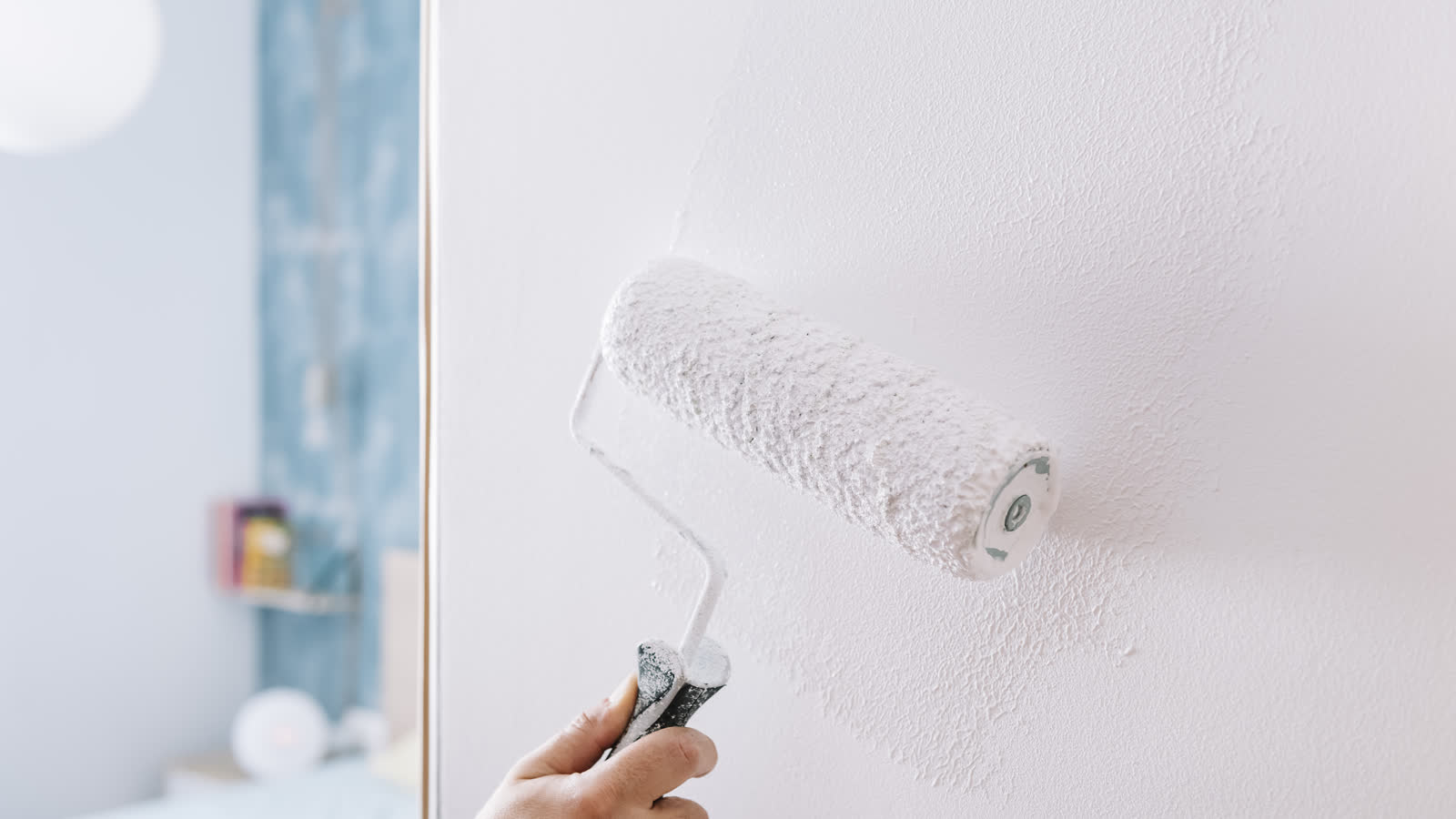
Vendor work is easier when scheduled around the sequence of the project. Complete inspections or specialist evaluations before cosmetic work. Handle repairs before deep cleaning. Finish painting, touch-ups, and landscaping before staging and photography. Confirm access, estimates, insurance questions, and completion dates directly with the provider.
Depending on the property, preparation may involve a cleaner, handyman, painter, landscaper, organizer, stager, photographer, or other trade. You choose which work to authorize. I can help identify priorities and coordinate the moving pieces that are part of the agreed listing plan.
My Ahwatukee home staging consultation guide explains how staging can focus attention on flow, scale, light, and the home's strongest features without requiring every room to look impersonal.
Make photo-ready priorities practical
Photo day rewards clarity. Open curtains and blinds, replace mismatched or dim bulbs, hide everyday cords, clear refrigerator fronts, remove overflowing wastebaskets, and make beds simply. Exterior photos benefit from swept entries, tidy patios, visible house numbers, and clean windows where practical.
Do not create a temporary standard that you cannot maintain during showings. Choose a short reset routine for kitchens, bathrooms, beds, lights, and pet or personal items. A realistic system is more helpful than a dramatic one-day transformation.
A realistic weekly sequence
- Week one: clarify goals, walk the home, gather records, and request an assessment.
- Week two: remove obvious clutter, choose donation or disposal plans, and obtain opinions on technical repairs.
- Week three: complete approved repairs and pack items you will not need before moving.
- Week four: refresh presentation, coordinate cleaning and staging, and review the launch checklist.
- Final days: finish small resets, confirm photography details, and keep documents and keys organized.
Your sequence may be shorter or longer. The point is to keep one active category at a time so preparation does not take over every part of your life.
When to request Amy's assessment
Ask for an assessment when you need help deciding what comes first, when several projects compete for your budget, or when the home's memories make it hard to see the space objectively. During a Strategy Meeting and Home Prep Assessment, we can walk through the property, discuss goals and timing, and create a prioritized path to ready.
That planning may connect with my Savvy Solutions to Sold process, which covers preparation, launch, marketing, communication, and the path from offer to close. You can also review Savvy Realty Group case studies to see how preparation questions can be approached property by property.
Preparing a long-held home is both a practical project and a meaningful transition. You do not have to solve every decision before asking for perspective. Start with the next useful step, keep the plan honest, and let the home move toward its next chapter at a pace you can manage.
Where to go from here
Twenty years of a house is not a weekend of tidying, and the point of the walkthrough is to tell you which jobs are worth doing and which you can leave alone entirely. I would rather save you money on the ones that do not move a buyer. Ask me to walk it with you.
Common questions
- Should I empty my Ahwatukee home before asking for a listing assessment?
- No. An assessment is often most useful before major sorting or spending. A room-by-room walk-through can help identify which belongings, repairs, and updates affect the plan so you do not create unnecessary work.
- How do I choose between repairing an issue and disclosing or noting it?
- Consider safety, function, visibility, cost, and timing. Technical concerns should be evaluated by the appropriate licensed professional. Your real estate conversation can then address how the condition fits the broader preparation and pricing strategy.
- What should I do with belongings I am not ready to decide about?
- Create a labeled holding area or use short-term storage, then set a date to revisit the decisions. Keeping uncertain items contained preserves room flow while giving you time to handle meaningful possessions thoughtfully.
- Does preparing a home always mean hiring a stager?
- No. The useful level of staging depends on the home's layout, furnishings, condition, and marketing plan. A consultation can identify targeted edits, partial staging, or other presentation choices without assuming a full-home service.
- When should photography be scheduled?
- Schedule photography after approved repairs, cleaning, decluttering, and presentation work are complete. Confirm the shot list and reset routine in advance so the home is ready without creating an unsustainable daily burden.