Selling
How to Live in Your Ahwatukee Home While It Is for Sale
August 11, 2026 · 6 min read · Ahwatukee
Start with a livable showing standard
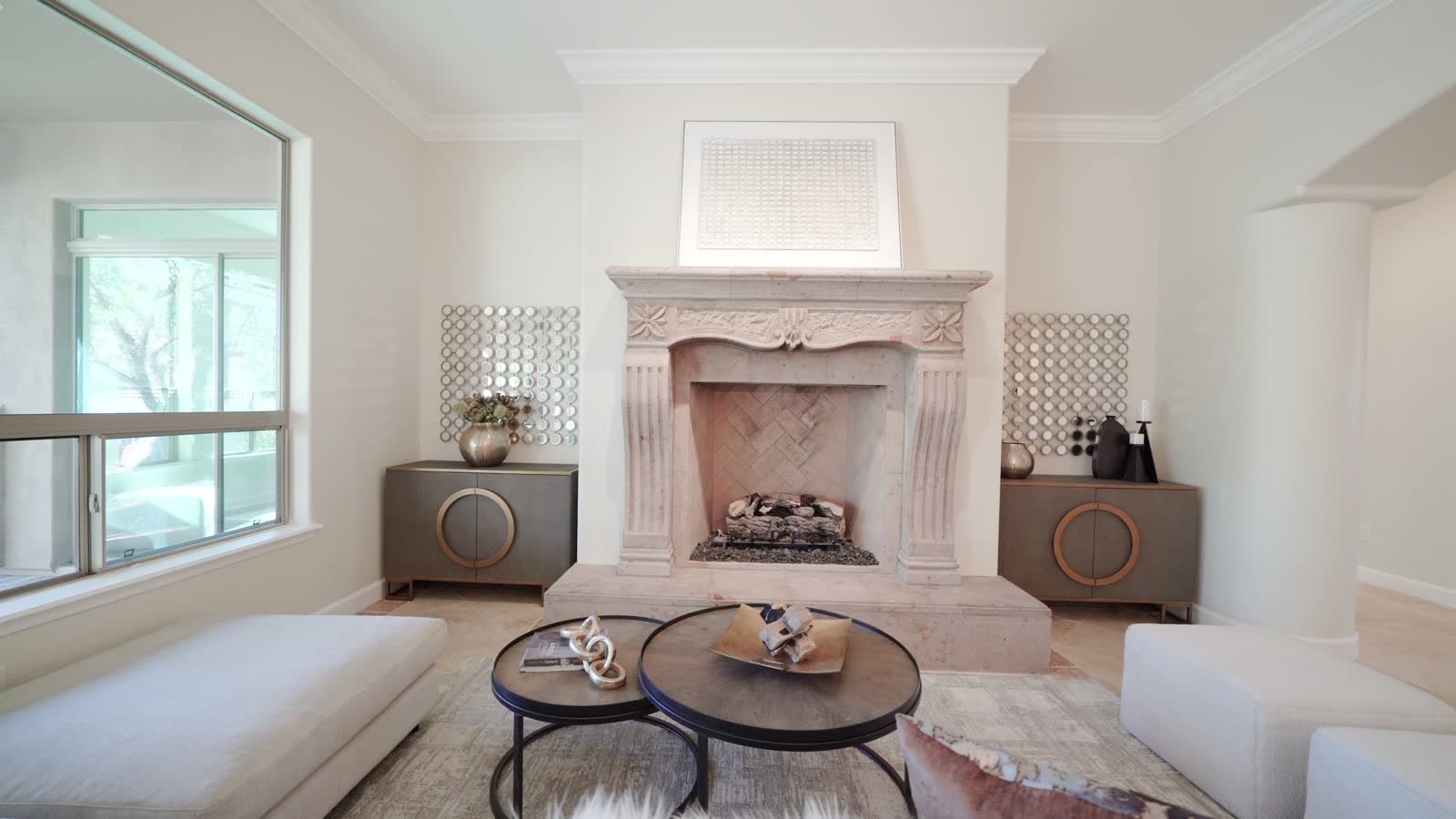
Yes, you can live in your Ahwatukee home while it is for sale. The key is to create a simple routine that keeps the home ready enough for showings without making every day feel like a performance. That usually means deciding where daily items will go, agreeing on showing communication, protecting privacy, and preparing a short exit routine for the moments when buyers need to visit.
An occupied home can feel warm and cared for. Buyers may also understand its scale and flow more easily when it is furnished. The tradeoff is that showings require coordination. Before the listing launches, talk through what your household can realistically manage. A plan that looks perfect on paper but creates constant stress will be hard to maintain.
A practical occupied-home plan separates the places you live each day from the places that need to stay photo-ready.
You do not need to make the home feel unused. You do need to identify the few details that most affect a buyer's first impression. Walk through the home with fresh eyes and choose a short list of daily resets, such as clearing kitchen counters, making beds, putting laundry away, and returning bathroom items to a closed cabinet or basket.
Keep that list short enough to complete without a major cleaning session. A home that is generally tidy, bright, and accessible is easier to show than one that requires hours of work every time someone requests a visit. For preparation ideas, see what an Ahwatukee home staging consultation covers. A staging conversation can help separate useful changes from projects that are unlikely to help your specific home.
A note on where this comes from: eighteen years living in Ahwatukee and nine selling in it. I am Amy Richardson of Savvy Realty Group.
Give everyday items a temporary home
When you live in a home, the things you use are usually close at hand. During a sale, that can make surfaces look crowded and create a stressful scramble before each showing. Choose a few concealed or low-traffic storage areas for the items you use repeatedly. A lidded basket near the entry can hold shoes or mail. A designated cabinet can hold countertop appliances. A small travel bag can carry toiletries that need to leave the bathroom quickly.
This is also a good time to begin packing items you will not need before the move. Seasonal decorations, duplicate kitchen tools, extra linens, and personal collections can be boxed, labeled, and stored safely. You are making the next move easier while helping rooms feel more open. If the home has been yours for many years, the guide to preparing an Ahwatukee home after 20 years can help you think through priorities without trying to do everything at once.
Set clear showing communication
Decide how you want showing requests delivered and how much notice you need. Some households can leave quickly with a short window. Others need more time because of work, appointments, children, pets, or mobility needs. Being clear about your actual schedule helps your agent present the home responsibly and reduces last-minute frustration.
Ask what counts as confirmation, who will be present, and how cancellations will be handled. You can also identify times when showings are especially difficult and times when the home is easiest to access. The goal is a schedule that gives buyers a fair opportunity to see the property while respecting the fact that it is still your home.
If you would rather see how I handle this as a service rather than as advice, that is selling a home in Ahwatukee.
Make an exit routine for showings
A repeatable routine is easier than making a new decision every time. Before leaving, turn on agreed lights, open approved blinds, put away food, close toilet lids, check that doors and gates are secure, and take anything private with you. Keep a small checklist by the door so another household member can follow it.
Do not leave medication, financial papers, spare keys, personal mail, or other sensitive items in plain view. Store valuables thoughtfully and tell your agent about anything that needs special handling. You should also decide which rooms, closets, or storage areas need a final check before leaving. Buyers may reasonably want to understand storage, but private belongings should not be exposed.
Plan for pets and daily life
Pets need a showing plan that protects their comfort and the buyer's experience. A dog may need to leave with you, while a cat may be safer in a secure room that everyone understands is off limits. Fish tanks, crates, litter areas, and feeding supplies should be clean and stable. Do not assume a buyer or showing professional will know how to interact with an animal.
Daily life may also include remote work, exercise equipment, hobbies, or regular visitors. You do not have to erase your life from the home. Instead, decide what can remain, what should be stored, and what needs a quick reset. A small amount of visible personality can feel natural, while excess items can make rooms harder to understand.
Use the listing period to keep moving forward
Living in a listed home can become easier when you treat each week as a small step toward the move. Continue sorting one drawer, closet, or shelf at a time. Keep important documents together, confirm where moving supplies will go, and make a note of questions for your agent. If you are still deciding whether this move is part of a larger transition, this next-chapter guide for downsizing in Ahwatukee offers a way to organize the practical and emotional parts of the decision.
Stay attentive to feedback, but do not react to every individual comment by making an expensive change. Ask whether a pattern is emerging and whether the proposed adjustment fits your goals. Your agent can help you evaluate presentation, access, timing, and offer activity together. If you have not yet mapped the broader seller process, Savvy Solutions to Sold explains the stages from strategy through closing.
Know when the plan needs adjusting
If showings repeatedly create conflict, talk about the problem early. The answer may be a different notice expectation, a more focused reset list, a change in showing windows, or a decision to store a few more belongings. The right adjustment depends on your household, the home's layout, and the feedback buyers are giving.
Your home should be ready for buyers while remaining safe and workable for you. A calm plan protects both goals. When you are ready to discuss your home's preparation and next steps, you can request a private valuation through the link below. We can begin with your goals, your timing, and what you want this transition to feel like.
Where to go from here
Living in a house that is for sale is genuinely wearing, and most of what makes it bearable is decided before the first showing. Ask me how to set it up so it costs you less.
Common questions
- Can I sell my Ahwatukee home while still living there?
- Yes. Many sellers remain in the home during the listing. A short reset checklist, clear showing communication, and a plan for pets and private items can make the process manageable.
- How clean does an occupied home need to be for showings?
- Aim for a consistently tidy, bright, accessible home rather than an unused-looking home. Focus on clutter, odors, visible laundry, kitchen surfaces, bathrooms, and clear paths through each room.
- What should I do with personal items before a showing?
- Put away mail, medication, financial papers, valuables, spare keys, and anything that exposes private information. A concealed basket or a designated cabinet can help with items you use every day.
- Where should my pets go during an Ahwatukee home showing?
- Choose the safest option for each pet, such as leaving with you or staying in a secure room with clear instructions. Discuss the plan with your agent before showings begin.
- What if showings are becoming too disruptive?
- Raise the issue early. Your agent can help review notice, showing windows, the reset routine, and buyer feedback so you can make a practical adjustment.