Buying
What Should You Ask About Plumbing Before Buying in Ahwatukee?
August 17, 2026 · 6 min read · Ahwatukee
Start with the home's plumbing history
Before buying an Ahwatukee home, ask how the plumbing has been maintained, what has been repaired, and what a licensed inspector sees today. A clean-looking kitchen or bathroom does not tell you much about pipes behind walls, the water heater, sewer connections, or drainage. Your goal is not to demand that every system be new. It is to understand the home's condition well enough to make a thoughtful decision.
Plumbing questions are especially useful when you are comparing homes with different ages, additions, remodels, or maintenance histories. Keep your questions practical, ask for available records, and use the inspection period to investigate concerns rather than trying to diagnose them yourself.
A simple plumbing conversation can help you know what to investigate during the inspection period.
Ask the seller or listing representative what plumbing work has been completed and when. Useful details can include repiping, fixture replacement, leak repairs, drain cleaning, water heater replacement, bathroom renovations, and work connected to an addition. If a repair involved opening a wall or slab, ask whether invoices, permits, warranties, or contractor information are available.
Records may be incomplete, especially in a long-time home. That does not automatically mean there is a problem. It does mean you should rely on a professional inspection and ask clear follow-up questions. You can also review seller disclosures carefully and ask about any known leaks, water damage, backups, or insurance claims.
If you are still learning the broader buying process, read how to review seller disclosures before buying in Ahwatukee. The plumbing history is one part of the larger condition picture.
I am Amy Richardson, a REALTOR® with HomeSmart. I run Savvy Realty Group, I have lived in Ahwatukee since 2008, and this is the version of it I give clients.
Questions about supply lines and water pressure
Ask what type of supply piping is in the home, if that information is known. The material and age can help your inspector decide where to look more closely. Ask whether anyone has noticed discolored water, recurring leaks, low pressure, or unusual changes when more than one fixture is running.
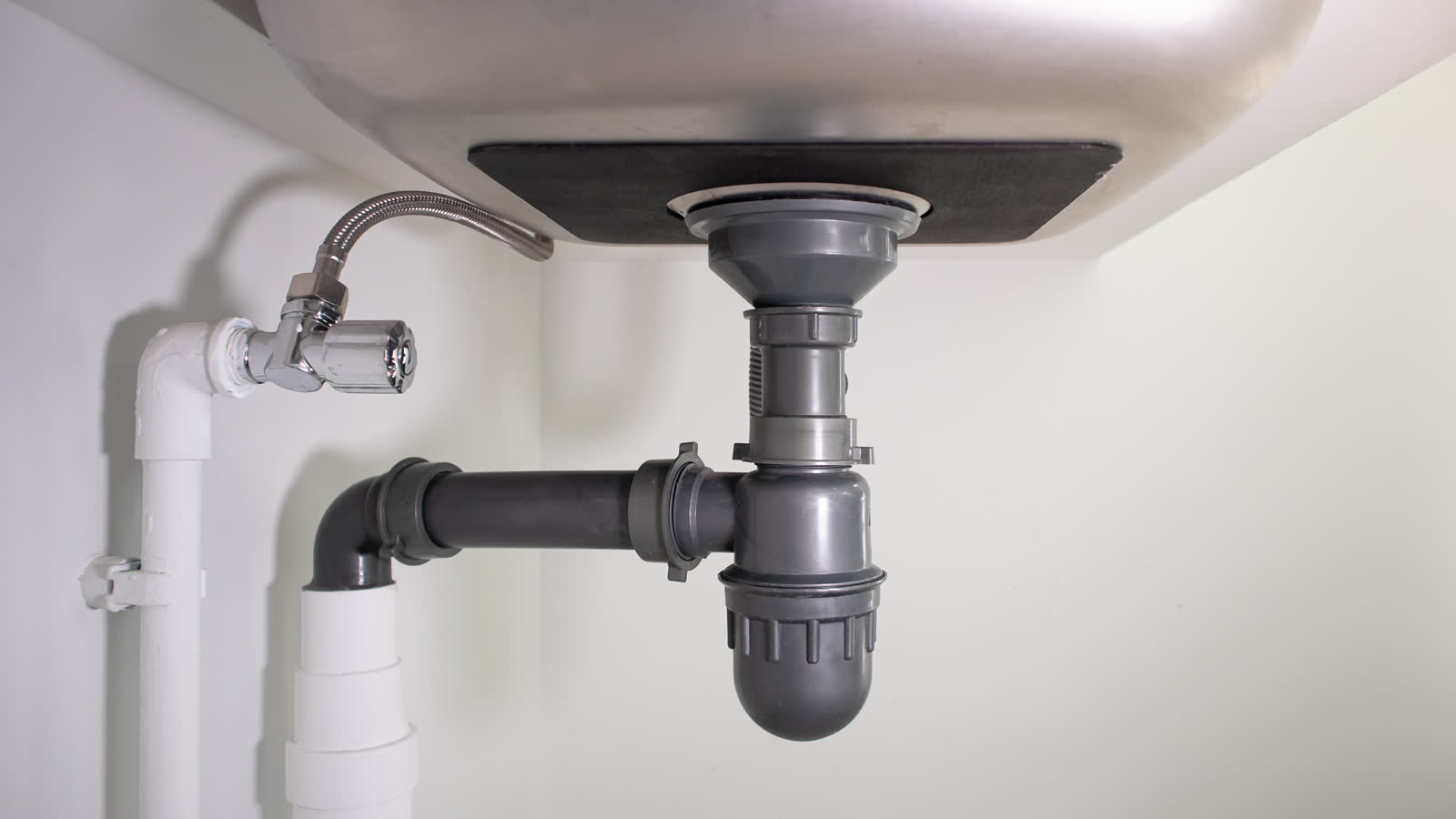
During a showing, you can observe simple clues without treating them as a test. Turn on faucets briefly with permission. Notice whether water flows consistently, whether drains move water away, and whether cabinets or nearby flooring show staining, swelling, or musty odors. Look below sinks and around toilets for signs of past moisture.
Do not assume a slow drain proves a major defect, and do not assume a fast drain proves the pipes are sound. These observations are prompts for questions. A licensed home inspector or plumber can evaluate the system more carefully.
Ask about the water heater
The water heater deserves its own conversation. Ask where it is located, how it is maintained, whether it has been replaced, and whether there have been leaks or service calls. Ask whether the seller has manuals, receipts, or warranty information. Your inspector can examine visible connections, the surrounding area, installation details, and signs of leakage.
Pay attention to placement as well as age. A water heater in a garage, closet, utility area, or exterior space may have different access and protection considerations. A professional can explain what is present and whether another licensed specialist should review it. If the home has a tankless system, ask about maintenance records and the equipment's service history.
When comparing homes, include likely maintenance responsibilities in your questions. For financing, insurance, or contract concerns, ask the appropriate lender, insurance professional, title company, or real estate attorney. Plumbing condition can affect a decision, but it should be evaluated by the right professional.
If you would rather see how I handle this as a service rather than as advice, that is buying a home in Ahwatukee.
Do not overlook drains, sewer lines, and cleanouts
Ask whether the home has experienced backups, recurring clogs, slow drains, sewage odors, or plumbing work near the foundation. Ask where the sewer cleanout is located and whether the seller knows of prior sewer inspections or repairs. If a home has mature landscaping, additions, or a history of drainage concerns, mention those details to your inspector.
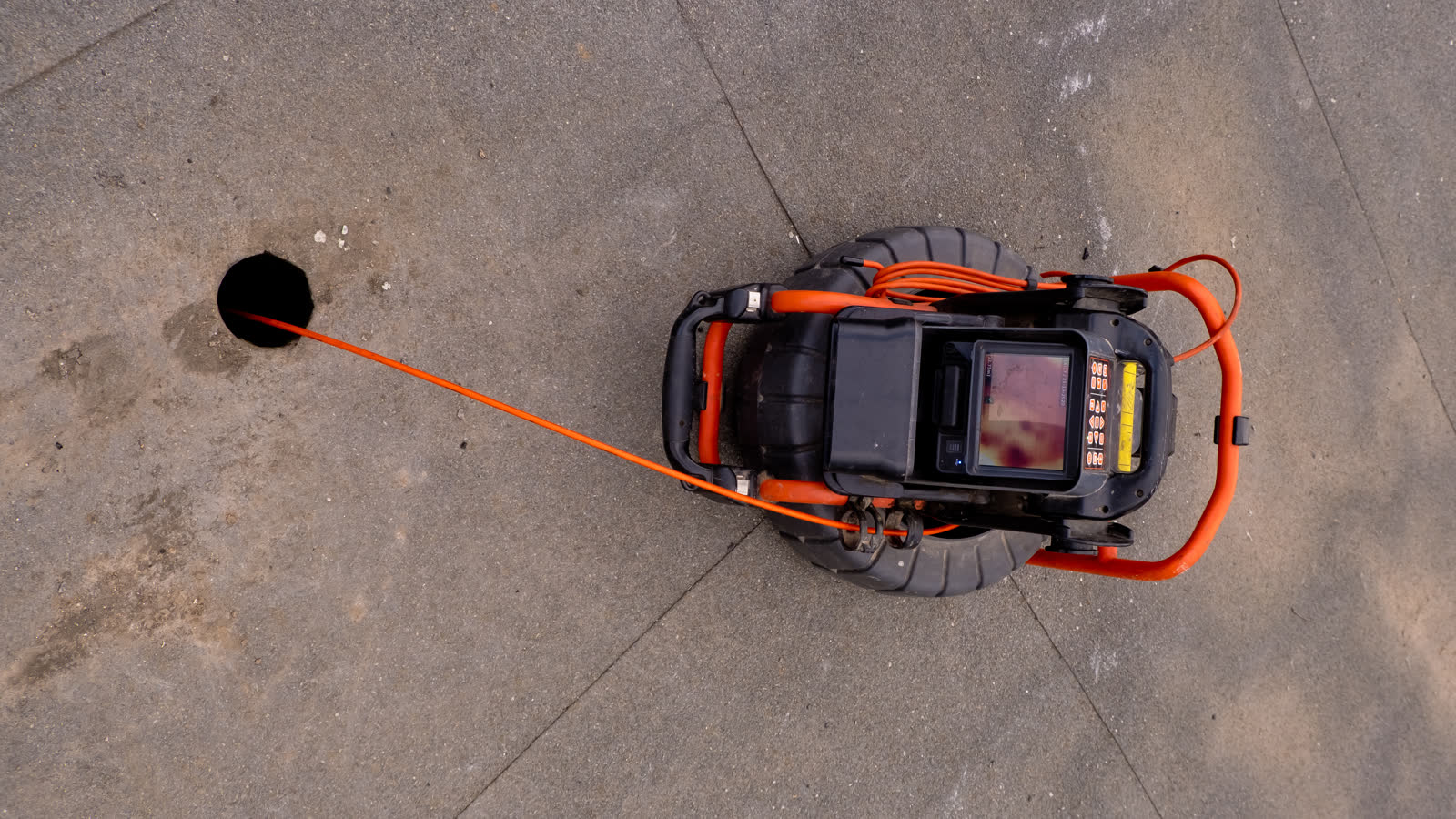
A standard home inspection may identify visible concerns, but it may not answer every question about an underground sewer line. If the inspection or your observations raise a concern, ask whether a specialized camera inspection is appropriate. That is a decision for you and your licensed professionals, based on the property and the facts available.
Drainage outside the house matters too. Notice where downspouts release water and whether the ground appears to direct water toward or away from the structure. Your concern is not to judge the property from one glance. It is to identify questions that deserve a closer look before you move forward.
Use your inspection period deliberately
Once you are under contract, organize your plumbing questions before the inspection appointment. Bring the seller disclosure, any available repair records, and a short list of observations from showings. Ask the inspector to explain findings in plain language and distinguish routine maintenance from conditions that need prompt attention.
Keep written notes about recommended specialists, follow-up inspections, and documents you still need. If a report identifies a concern, discuss your options with your real estate professional and the relevant licensed contractor. Depending on the contract and the facts, your choices may involve further investigation, a repair conversation, or deciding that the home does not fit your plans. Avoid making a decision from a single alarming phrase without understanding the scope.
Your other property questions can be organized in this guide to using the Ahwatukee home inspection period. You may also want to review how to compare Ahwatukee homes beyond photos, since systems and maintenance history are easy to miss online.
A practical plumbing question list
Before you make an offer or during your inspection period, ask:
- What plumbing repairs or replacements have been completed?
- Are invoices, permits, warranties, or service records available?
- Have there been leaks, backups, water damage, or recurring clogs?
- What is known about the supply piping and water heater?
- Where are the main shutoff and sewer cleanout?
- Has the sewer line received a specialized inspection?
- What concerns did the home inspector identify, and what specialist should review them?
These questions give you a useful starting point without turning a showing into a technical examination. For more items to review before closing, use the Ahwatukee final walkthrough checklist and confirm that agreed repairs are complete and documented.
Make the decision with clear information
A plumbing concern does not always make a home a poor choice. It may call for routine maintenance, a specialist's opinion, or a conversation about the next step. The right response depends on the condition, the available documentation, your contract, and your comfort with the home's responsibilities.
If you are relocating to Ahwatukee, remote support can help you keep these questions organized before you arrive. We can discuss what you want to understand about a property, coordinate showing questions, and help you connect with the licensed professionals who can evaluate technical systems. The aim is a clear process that meets you where you are, whether you are comparing homes in person or from another city.
When you are ready for local guidance, get the free Ahwatukee Relocation Guide.
Where to go from here
Plumbing is mostly invisible until it is the only thing you can think about. A few questions up front change what you are agreeing to. Ask me what to raise.
Common questions
- Should I get a plumbing inspection before buying an Ahwatukee home?
- Ask your licensed home inspector whether the visible condition and property history suggest a need for a specialized plumbing or sewer evaluation. The appropriate inspection depends on the home and the concerns identified.
- What plumbing records should a home buyer request?
- Ask for available invoices, permits, warranties, service records, and documentation for repairs or replacements involving pipes, fixtures, drains, sewer lines, and the water heater.
- What should I look for under sinks during a showing?
- With permission, look for active moisture, staining, swelling, corrosion, or musty odors. These signs need professional follow-up and should not be treated as a diagnosis from a showing.
- Does a newer water heater mean the plumbing is in good condition?
- No. A water heater is one component of a home's plumbing. Ask about the rest of the system, review available records, and rely on professional inspection findings.
- Who can answer technical questions about plumbing?
- A licensed home inspector can identify visible conditions and recommend follow-up. A licensed plumber can evaluate specific plumbing concerns and explain repair options.