Buying
How Should You Plan for the Ongoing Costs of an Ahwatukee Home?
August 12, 2026 · 5 min read · Ahwatukee

Start with costs you can identify before closing
Plan for an Ahwatukee home by looking beyond the purchase price and monthly loan payment. Before you make an offer, create a simple ownership plan that includes utilities, insurance, property taxes, HOA dues when applicable, routine maintenance, larger repairs, and cash for surprises. The goal is not to predict every bill. It is to understand which costs are fixed, which change with use or weather, and which deserve a conversation with a qualified professional.
A home can feel affordable at the offer stage and still create stress if the rest of the ownership picture is left vague. A thoughtful review gives you better questions to ask, a clearer conversation with your lender, and a more realistic sense of how the home fits your life.
A practical ownership plan separates regular bills from future maintenance decisions.
Collect every recurring charge you can confirm for the specific property. Ask for available utility history, review seller information, and request documents that explain community obligations. Exact bills depend on the home, its systems, your habits, and the season, so use this information as a reference rather than a promise.
- Utilities: Ask which services the home uses and whether any systems need special care. Electricity, water, sewer, trash, gas, and internet may be billed separately.
- Insurance: Ask your insurance professional what information is needed for a quote. Coverage, deductibles, exclusions, and property features can affect the answer.
- Property taxes: Include taxes in your plan and ask your lender or tax professional how they will be handled. Do not assume the current owner's situation will be identical to yours.
- HOA dues: If the home is in a community association, review dues, rules, included services, transfer charges, and disclosed assessment information.
- Loan costs: Confirm how principal, interest, escrow, mortgage insurance, and other charges appear in your payment. Your lender is the right source for financing details.
I am Amy Richardson, REALTOR® at HomeSmart, writing from Savvy Realty Group here in Ahwatukee.
Separate maintenance from future repairs
Routine maintenance is the ordinary care that helps a home keep working as intended. It may include changing air filters, servicing cooling equipment, checking plumbing fixtures, maintaining landscaping, cleaning gutters where present, and addressing small issues early. Ask which systems are newer, which are aging, and whether the seller has records that explain past care.
Future repairs are different. A roof, water heater, air conditioner, pool system, irrigation component, electrical panel, or appliance may function today and still deserve a place on your long-range list. You do not need to assume replacement is imminent. You do need to understand what the inspection observed, what the seller disclosed, and what a licensed contractor says when a specialist review is appropriate.
Think in categories instead of searching for one perfect reserve amount. Create a home systems list, note the age and condition of each item, and rank questions by urgency. That list can guide inspection conversations and help you decide whether a property deserves more review. For a broader viewing checklist, read how to compare Ahwatukee homes beyond the listing photos.
Use the inspection period to improve your plan
A home inspection is an opportunity to learn about the property, not a substitute for every specialist evaluation. Read the report carefully and mark items that affect safety, function, water management, comfort, or future planning. Ask your agent to explain transaction steps and decisions that may follow. For technical questions, consult the appropriate licensed professional.
Pay attention to patterns. A loose fitting may be a small repair. Several signs of water intrusion, deferred maintenance, or aging systems may call for a deeper conversation. Review the home as a whole, including the lot, drainage, roofline, exterior surfaces, garage, attic if accessible, and installed equipment. Make decisions from evidence rather than showing-day excitement.
If you would rather see how I handle this as a service rather than as advice, that is buying a home in Ahwatukee.
Ask specific questions about community costs
For an HOA property, read the documents instead of relying on a quick summary. Ask what dues cover, how often they are billed, which exterior responsibilities belong to the owner, and whether rules affect improvements, parking, landscaping, or rentals. Ask your title or real estate professionals which documents should be reviewed and which questions need the association's response.
Association costs can be part of a useful tradeoff. A community may handle services you would otherwise manage yourself, while rules may limit some choices. Neither point is automatically good or bad. The right question is whether the structure fits your plans and your comfort with shared responsibilities.
Build a first-year ownership checklist
- List every recurring bill and who can confirm it.
- Record the age, condition, and service history of major systems.
- Identify repairs that need a specialist answer before closing.
- Set aside a practical reserve according to your own financial advice.
- Schedule routine care after moving in and keep the records.
Before closing, confirm how to transfer utilities, update insurance, collect keys and access information, locate shutoff valves, and learn the care schedule for the home's systems. Keep inspection reports, disclosures, warranties, invoices, manuals, and HOA contacts in one place.
Your first year is also a chance to learn the home. Notice how rooms feel at different times, how cooling performs, where water collects after irrigation or rain, and which projects matter most to you. Make changes in an order that protects function and supports daily life. Choosing an Ahwatukee home that fits daily life can help you connect those observations to your search.
Keep the plan flexible and personal
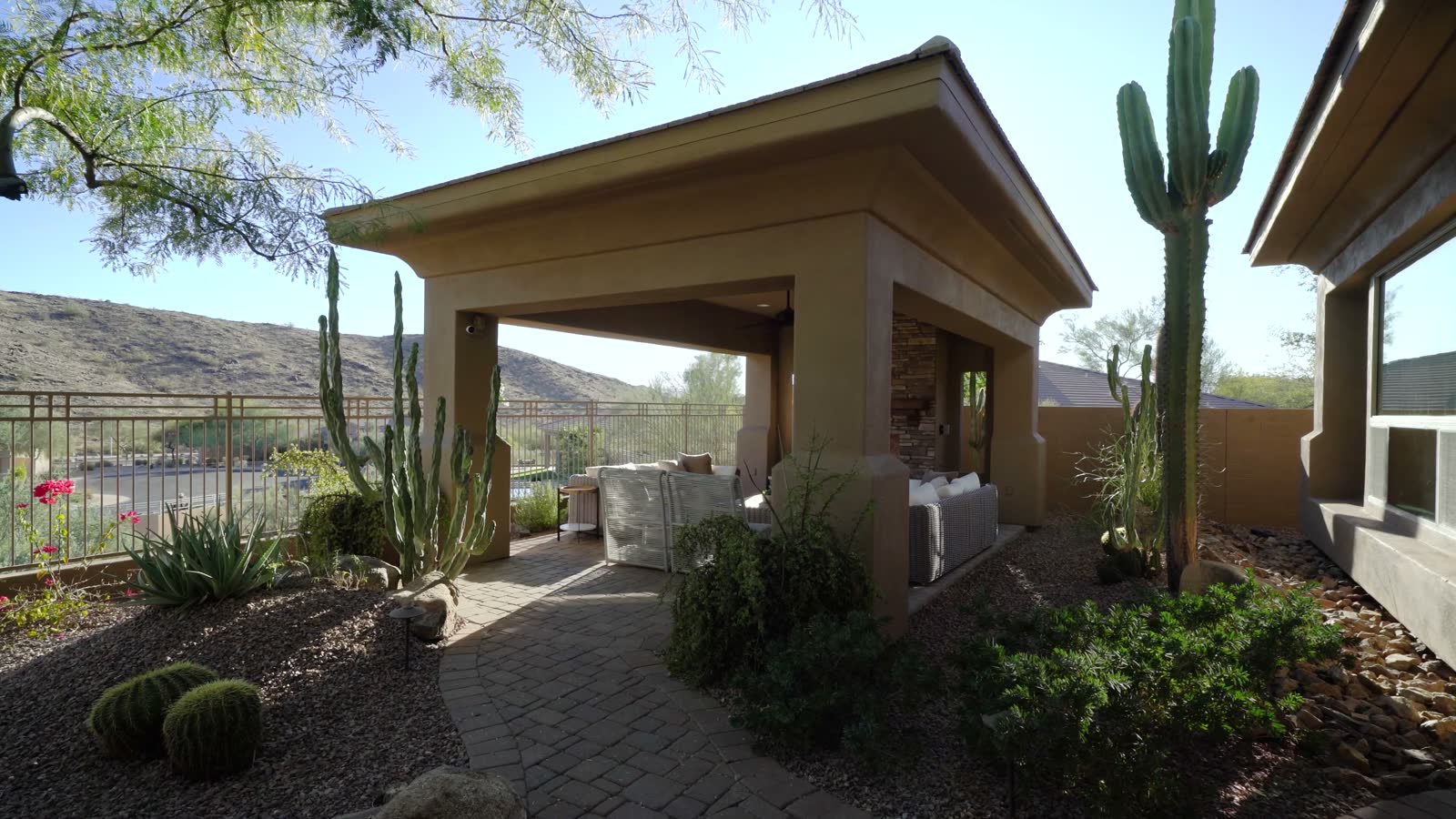
There is no universal ownership budget for every Ahwatukee property. A newer home, an older home, a condominium, and a property with a pool or extensive landscaping can have different responsibilities. Your lender, insurance professional, tax professional, contractor, and HOA should answer questions in their areas of expertise.
If you are relocating and cannot inspect every detail in person, set up a process for reviewing documents, touring by video, and getting specialist input. My guide to buying a home remotely in Phoenix and Ahwatukee explains how clear communication can support that search. Before choosing a location, review the Ahwatukee neighborhoods and ZIP codes guide to organize questions about the area.
The best ownership plan is a living document. Update it when a system is serviced, a bill changes, or priorities shift. When you understand the home's ongoing responsibilities, you can evaluate choices with more calm and make room for the parts of Ahwatukee life that brought you here.
Where to go from here
The purchase price is the part everyone plans for. The rest of it, dues and cooling and upkeep and the pool, is what decides whether the house feels comfortable in year three. Ask me to run the real number for a specific home.
Common questions
- What ongoing costs should I plan for when buying an Ahwatukee home?
- Plan for the loan payment, utilities, insurance, property taxes, HOA dues when applicable, routine maintenance, and future repairs. Confirm property-specific details with the relevant professional.
- How can I estimate utility costs for an Ahwatukee home?
- Ask for available utility history and identify the services connected to the property. Past bills are a reference because usage, occupants, weather, and equipment can change future costs.
- What should I ask about HOA costs before buying?
- Ask what dues cover, how often they are billed, what exterior responsibilities remain yours, and whether the documents disclose assessments or other charges.
- Should I plan for repairs if the inspection finds no major problem?
- Yes. A home can function well and still have systems that need routine service or eventual replacement. Use the inspection and available records to prioritize questions.
- Who can answer questions about insurance, taxes, and financing?
- Ask your insurance professional, tax professional, and lender for guidance in their areas. Your real estate agent can help coordinate property and transaction questions.