Buying
What Should You Ask About Air Conditioning Before Buying in Ahwatukee?
August 18, 2026 · 5 min read · Ahwatukee
Start with the system's age and history
Before you buy an Ahwatukee home, ask how the air conditioning system has been maintained, how it performs in the rooms you use most, and what documentation is available. A pleasant showing can tell you how the home feels for a short visit, but it cannot answer every question about a cooling system that works hard through Phoenix summers.
You do not need to diagnose the equipment yourself. Your job is to notice what you can, ask clear questions, and use the inspection period to bring in the appropriate professionals. This gives you better information before you make decisions about repairs, negotiations, or long-term ownership.
A practical cooling-system review helps connect the showing experience with the home's maintenance history.
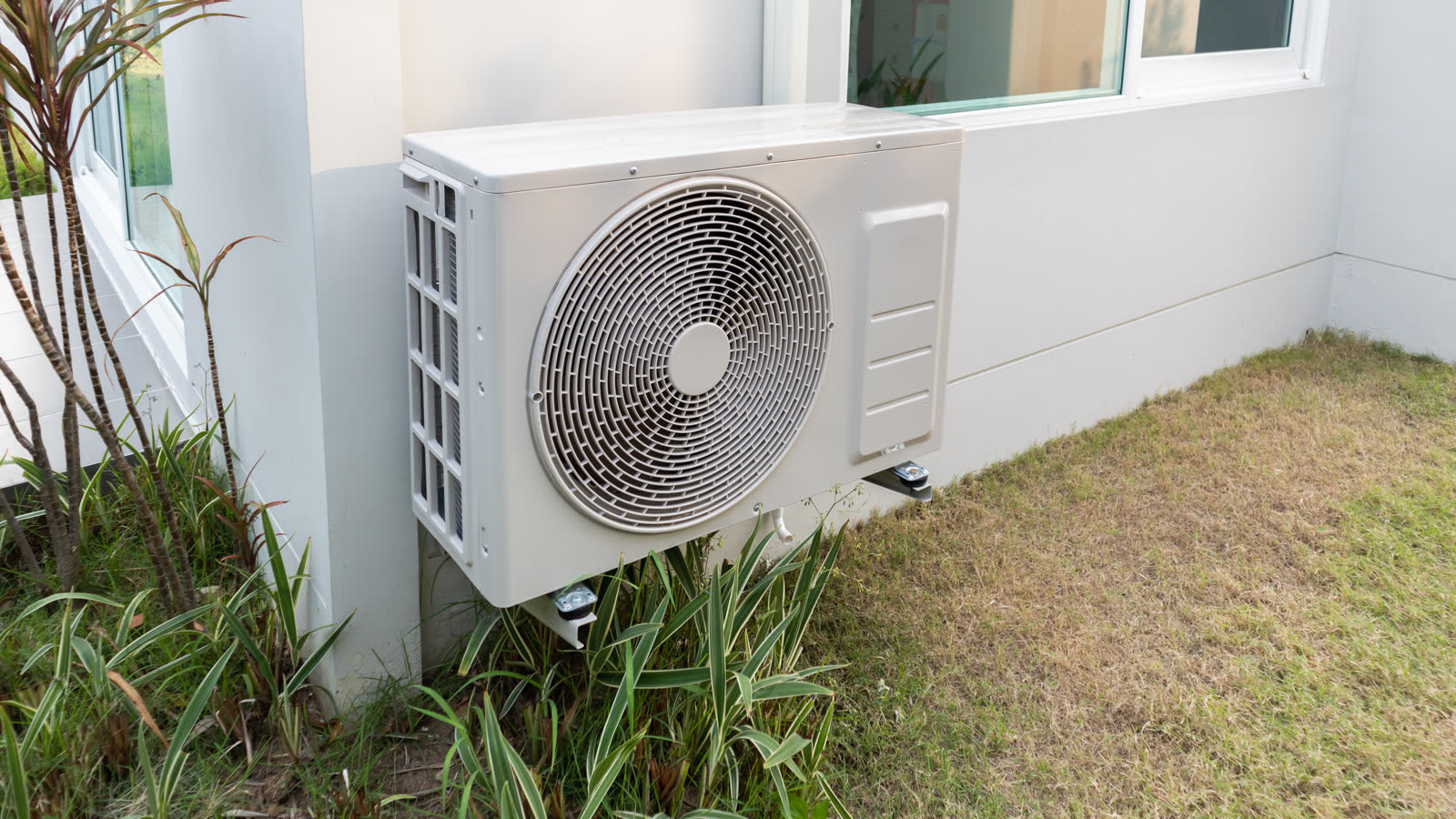
Ask the seller or listing representative how old the air conditioning equipment is and whether the system has been replaced in stages. A home may have an outdoor condenser from one period and an indoor air handler or furnace from another. That does not automatically make the setup a problem, but it is useful context for an inspector or licensed HVAC professional.
Ask whether there are service records, repair invoices, warranty documents, or maintenance agreements. Records may help you understand whether the system has received routine attention or whether a recent repair addressed a larger concern. If records are limited, treat that as a reason to gather more information, not as proof that the system has been neglected.
- What equipment has been replaced, and when?
- Who has serviced the system?
- Have there been recurring repairs or comfort complaints?
- Are any warranties transferable to the next owner?
A note on where this comes from: eighteen years living in Ahwatukee and nine selling in it. I am Amy Richardson of Savvy Realty Group.
Pay attention to comfort during the showing
Walk through the home with the cooling system running when conditions allow. Notice whether the entry, bedrooms, living areas, and rooms on different sides of the home feel reasonably consistent. A warm room can have several explanations, including sun exposure, closed vents, insulation, ductwork, a thermostat setting, or equipment performance. It is a clue to investigate, not a conclusion.
Listen for unusual sounds when the system starts and stops. Look for water around indoor equipment, damaged insulation on accessible refrigerant lines, stained ceilings near vents, or visible corrosion. Do not remove panels or reach into equipment. Leave technical observations to a qualified professional.
Ask whether the thermostat is easy to use and whether the home has more than one zone. If a smart thermostat or other control is included, ask what stays with the property and whether the equipment is compatible with it. A familiar control can be helpful, but the control itself does not establish that the underlying system is in good condition.
Ask about maintenance and indoor air concerns
Find out how often filters are changed and where the filters are located. Ask whether the system has had coil cleaning, drain-line service, duct repairs, or other maintenance. These questions can reveal practical ownership tasks you will want to understand after closing.
Check accessible return-air grilles and supply vents for heavy dust buildup, but do not assume a dusty grille identifies the source of a problem. Ask the inspector whether airflow, duct connections, insulation, and drainage deserve additional review. If someone in your household has a health concern related to indoor air, consult the relevant medical or building professional for advice suited to that situation.
If you would rather see how I handle this as a service rather than as advice, that is buying a home in Ahwatukee.
Understand the inspection and repair conversation
A general home inspection can identify visible conditions and recommend further evaluation. It is not a substitute for a specialized HVAC assessment. During the inspection period, ask whether a licensed HVAC contractor should test the system and provide a written opinion. Confirm the scope directly with that professional, including what can be tested safely and what cannot be determined during the visit.
Keep your questions specific. Ask about the system's apparent condition, age, maintenance needs, safety concerns, and likely next steps. Avoid turning a limited observation into a prediction about the exact date or cost of replacement. The right professional can explain what is known, what remains uncertain, and which items deserve attention first.
For a broader way to compare a property, review how to compare Ahwatukee homes beyond photos. The cooling system is one part of the decision, alongside layout, storage, outdoor space, road access, HOA structure, and the routine you expect to live.
Connect the system to your ownership plan
Ask yourself how you would handle a repair or replacement if the equipment needs attention during your ownership. That does not mean assuming the worst. It means making room for the home's condition in your planning and asking your lender, insurance professional, or financial adviser any questions that belong in their area of expertise.
Review the seller disclosures carefully and ask follow-up questions when an answer is unclear. You can also read how to review seller disclosures before buying in Ahwatukee and how to use the Ahwatukee home inspection period. Those steps help you keep the process organized while professionals evaluate the details.
A simple air conditioning question list
- How old are the indoor and outdoor components?
- What maintenance and repairs have been completed?
- Are service records or transferable warranties available?
- Does every occupied area appear to receive adequate airflow?
- Have any rooms had repeated comfort, drainage, or noise concerns?
- Should a licensed HVAC professional perform additional testing?
- What regular maintenance should a new owner plan to handle?
Bring this list to your showing, inspection, and follow-up conversations. When buying remotely, ask for a video walkthrough of the thermostat, equipment locations, accessible filters, and any areas the in-person representative can safely show. Pair that with a professional inspection and clear written communication. Amy's remote home buying process for Phoenix and Ahwatukee can help you think through the communication side of that experience.
Air conditioning should be part of your Ahwatukee home questions from the beginning, especially when a property has older equipment or uneven comfort. You do not have to make a technical judgment at the first showing. Gather the history, observe the home, use the inspection period carefully, and ask the right professional to explain the findings before you decide what comes next.
Where to go from here
In Phoenix the air conditioning is not an appliance, it is the house being habitable. Its age and condition belong in your offer maths. Ask me before you write it.
Common questions
- Should I ask for an HVAC inspection when buying an Ahwatukee home?
- Ask your general inspector whether additional evaluation by a licensed HVAC professional is appropriate. A specialist can address equipment questions beyond a general inspection's scope.
- What if one room feels warmer during the showing?
- Note the room and ask for follow-up. Uneven comfort can have several causes, so a qualified professional should evaluate airflow, ductwork, insulation, controls, and equipment performance.
- What air conditioning records should a buyer request?
- Ask about service records, repair invoices, maintenance agreements, warranty documents, replacement dates, and any history of recurring comfort or drainage concerns.
- Does an older air conditioner automatically make a home a bad purchase?
- No. Age is one factor. Condition, maintenance history, performance, documentation, and your ownership plans all matter and should be discussed with the appropriate professionals.
- What should a remote buyer ask to see?
- Request a video walkthrough of the thermostat, equipment locations, accessible filters, and visible conditions, then arrange a professional inspection and ask questions in writing.