Selling
What Should Stay With an Ahwatukee Home When You Sell?
August 17, 2026 · 6 min read · Ahwatukee
Start with items attached to the home
When you sell an Ahwatukee home, items that are attached to the property usually need to remain, while personal belongings generally move with you. The line can feel obvious until you reach the patio, kitchen, garage, or living room and realize that a favorite light fixture, mounted television, or backyard item may need a clear decision. The safest approach is to sort items early, disclose anything that may confuse a buyer, and put exceptions in writing through the appropriate sale documents.
This is not a reason to remove everything that makes your home comfortable. It is a reason to decide what the next owner should receive before photos, showings, and offers create expectations. A thoughtful plan can reduce last-minute questions and help you keep the belongings that matter to you.
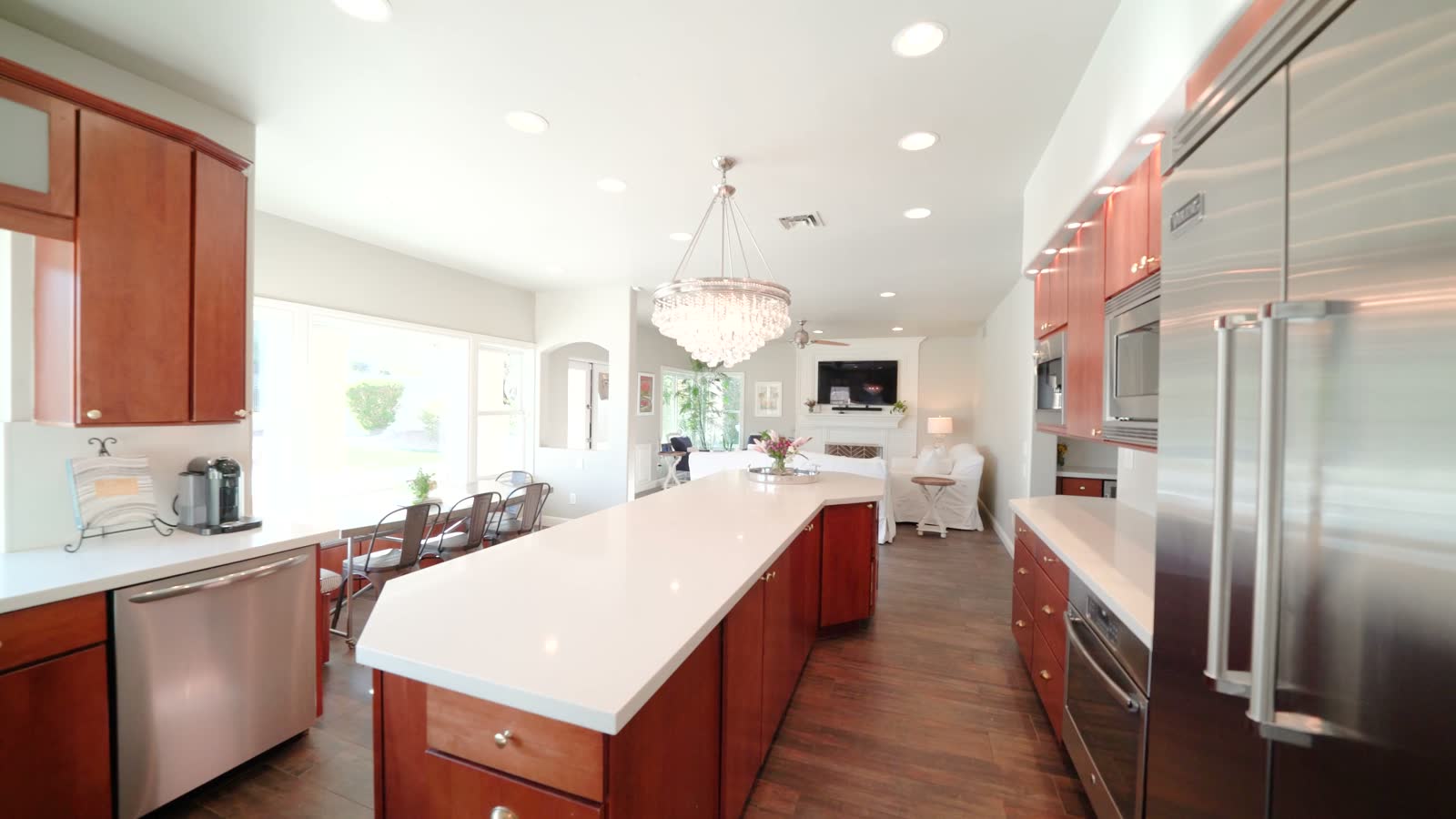
Sort attached items and personal belongings before your Ahwatukee home is photographed.
Fixtures are items connected to the property in a way that makes them part of the home's function or presentation. Common examples can include installed light fixtures, ceiling fans, built-in shelving, bathroom mirrors, attached window coverings, garage door equipment, and landscaping features that are anchored or planted. Major appliances may also be part of the expected sale, depending on what is included in the listing and contract.
Use the question, “Would a buyer reasonably expect this to remain because it is installed here?” as a starting point. It is not a substitute for reviewing the documents for your particular sale, but it can help you identify gray areas. A freestanding lamp is personal property. A chandelier wired into the ceiling may be viewed very differently. A potted plant can move. A mature tree planted in the yard is part of the property.
I am Amy Richardson. Savvy Realty Group is my practice, HomeSmart is my brokerage, and Ahwatukee has been home since 2008.
Make a keep, move, and discuss list
Walk through each room with a phone or notebook and create three simple groups:
- Stays: items you expect to leave with the home and will present as part of the property.
- Moves: personal belongings, furniture, art, decor, and other items you plan to take.
- Discuss: items that are attached, unusually valuable, sentimental, excluded from a typical sale, or likely to be noticed by a buyer.
The discuss group is where many avoidable misunderstandings begin. If you want to take a distinctive dining-room fixture, for example, decide that before listing and consider replacing it with another appropriate fixture. If a wall-mounted television is not included, clarify what happens with the mount and repair any wall damage as appropriate. If you want to keep a custom piece of landscaping, make the plan clear before a buyer assumes it is included.
For a broader preparation plan, review how to prepare an Ahwatukee home after 20 years. The same early sorting that protects sentimental belongings can also make the home easier to photograph and show.
Pay special attention to the kitchen and laundry room
Kitchen and laundry items can create more questions because some are built in and others are simply convenient to carry away. Built-in ovens, cooktops, dishwashers, and appliances designed to fit a dedicated opening are different from a countertop appliance or a refrigerator that can be removed without changing the room. The exact answer depends on the property and the terms of the sale.
Do not wait until moving day to decide. If an appliance is staying, clean it and leave any useful manuals or remotes. If it is moving, tell your real estate professional early so the listing description and buyer expectations can be handled accurately. If you are unsure about an item, ask for guidance and consult the appropriate licensed professional for contract, title, or legal questions.
If you would rather see how I handle this as a service rather than as advice, that is selling a home in Ahwatukee.
Review the patio, yard, and garage
Outdoor spaces often contain the items sellers feel most attached to. Patio furniture, grills, freestanding planters, tools, and decorative objects are generally belongings you can sort for the move. But built-in benches, attached shade structures, irrigation equipment, mounted televisions, anchored play equipment, and planted landscaping deserve a closer look.
Garage items need the same review. Shelving that is bolted to the wall may be treated differently from a movable storage unit. A workbench may be freestanding, while a custom cabinet attached to the structure may be expected to stay. Photograph or note anything that could be misunderstood, then make sure the agreed treatment is reflected in the sale paperwork.
If your questions connect to the timing of preparation, the update-or-sell-as-is decision can help you think through which changes are worthwhile before you invest time or money.
Remove personal items before the first showing
Some items clearly belong to you but still need an exit plan. Family photographs, important documents, prescription information, valuables, collections, and sentimental objects should be packed or stored securely before the home is marketed. This protects privacy and gives buyers a clearer view of the rooms.
It also helps to remove anything that makes a space look unfinished once it is taken away. If you remove a mounted object, repair visible holes when appropriate. If you take a large piece of furniture, check whether the room now needs a different arrangement. The goal is not to erase every sign that someone lives there. It is to leave the home clean, safe, and easy for another person to picture as their own.
Document exceptions before they become a negotiation
Written clarity matters most for items that are unusual, attached, valuable, or emotionally significant. Create a room-by-room list of exclusions and inclusions. Include the item, its location, and what will happen to it. Share the list before photography if removing something will change the home's appearance. Your agent can help identify where the information belongs in the listing and offer documents, while a licensed attorney or title professional can answer questions outside real estate guidance.
Be careful with language such as “not included” when the item is physically attached. A note alone may not resolve every issue. The terms need to be handled through the documents used for the transaction, and all parties should have the same understanding before an offer is accepted.
My article on documents to gather before selling an Ahwatukee home covers the records that can help you prepare for a smoother conversation. This item list is another practical part of getting organized.
Tell buyers what they can expect
A buyer does not need every personal decision explained, but they do need accurate information about what is included. If an item shown in the photos will be removed, address it early. If a replacement will stay, use clear wording. If you are leaving a useful item as a convenience, do not describe it as a promise until the agreement says what the parties intend.
Clear expectations help protect the relationship through inspection, appraisal, and closing. They also keep moving day from becoming a scramble. Before you pack the last box, compare your list with the accepted terms and ask questions about anything that still feels uncertain.
A simple final walkthrough
- Walk every room, closet, cabinet, patio, yard area, and garage.
- Mark each item as stays, moves, or discuss.
- Remove valuables and private documents before showings.
- Replace or repair excluded attached items as appropriate.
- Confirm exceptions in writing before accepting an offer.
- Check the accepted terms again before move-out and closing.
Selling a long-time Ahwatukee home already brings enough decisions. Sorting these items early gives you one less source of stress and helps your buyer understand what they are receiving. If you want to begin with the home's larger preparation picture, Savvy Solutions to Sold explains the steps I use to guide sellers from strategy through closing.
Where to go from here
Almost every dispute about what conveys is avoidable, and the avoiding happens before the listing goes live rather than during the walkthrough. Ask me what to write down before it becomes a conversation at closing.
Common questions
- Do appliances stay when I sell my Ahwatukee home?
- It depends on the appliance and the written terms of the sale. Built-in appliances may be treated differently from freestanding items, so identify each one early and confirm what the documents say.
- Can I take a light fixture with sentimental value?
- You may be able to exclude it, but decide before listing, disclose the exclusion, and address the replacement and written sale terms clearly.
- Should wall-mounted televisions stay with the house?
- The television, mount, and any wall repairs should be discussed separately. Tell your agent before photos and confirm the agreed treatment in writing.
- Do patio plants stay when selling a home?
- Freestanding potted plants can usually be sorted as personal belongings, while planted or permanently installed landscaping may be considered part of the property. Clarify unusual items early.
- When should I make an inclusions and exclusions list?
- Make the list during your first preparation walk-through, before photography and showings. Update it as decisions change and compare it with the final sale documents.