


The Big Picture: A Market Finding Its Footing
If you've been trying to make sense of the real estate market lately, you're not alone. Headlines swing from 'prices are cooling' to 'sales are rising' — sometimes in the same week. The truth is, the 2026 housing market is doing something it hasn't done in years: it's normalizing.
After the pandemic-era frenzy and the rate-shock slowdown that followed, the market is settling into a more balanced rhythm. That's actually good news — for both buyers and sellers — if you understand what it means for your specific situation.
Here's an
honest look at what's happening nationally, and what it means for you right
here in Phoenix.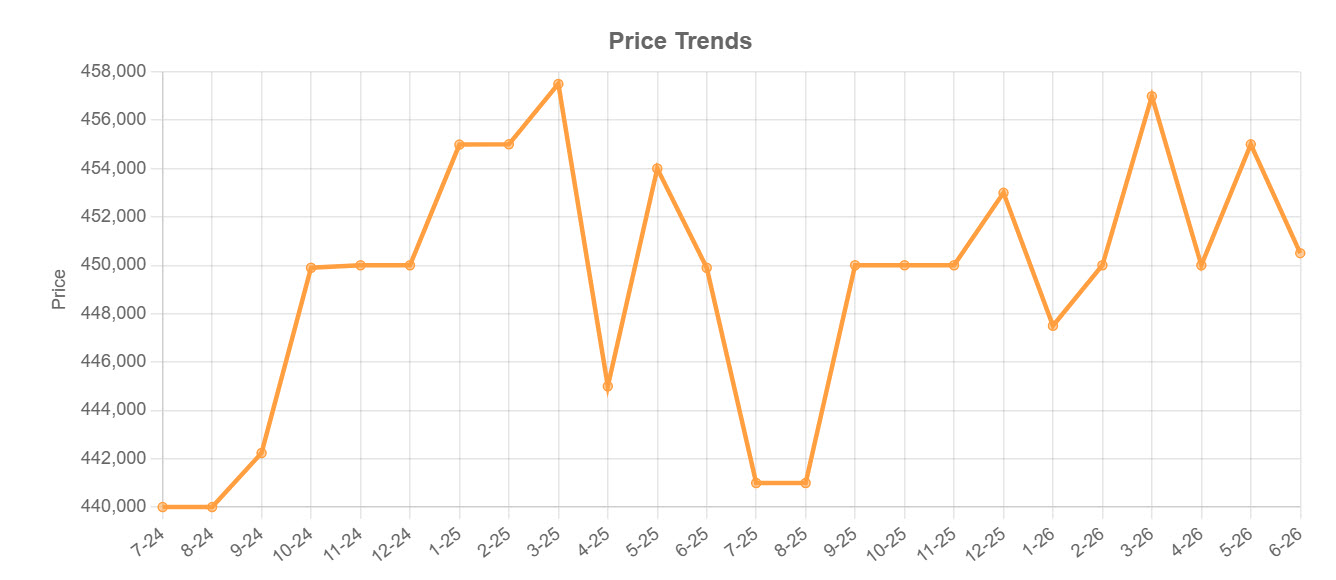
Home Prices: Stable, Not Soaring
Nationally, the median existing-home price came in at $429,300 in May 2026 — a modest uptick year-over-year, but a far cry from the double-digit annual gains we saw in 2021 and 2022. Most economists are describing 2026 as a year of stabilization rather than a crash or a surge.
What does that mean in plain terms? Sellers can still expect solid equity and reasonable offers on well-priced homes. Buyers aren't being squeezed by runaway appreciation — but they're also not waiting for prices to fall dramatically, because most experts agree a crash isn't in the cards.
[YOUR MARKET]
is following its own path within this national picture. Your local median
price, days on market, and sale-to-list ratio tell a more specific story — one
worth knowing before you make any move.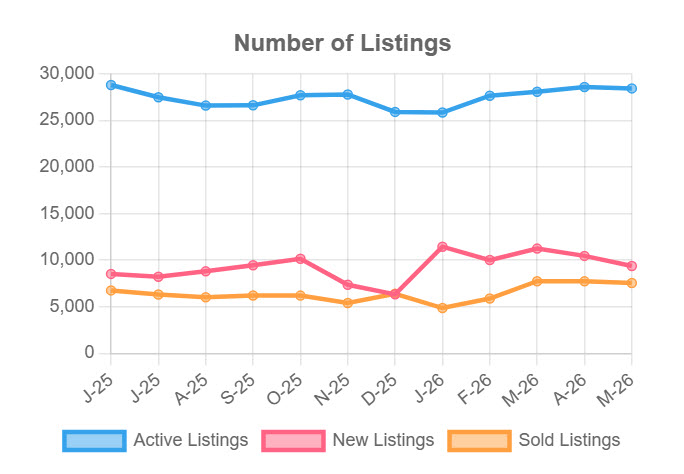
Inventory Is Up — But We're Not Oversupplied
One of the most meaningful shifts in 2026 is the improvement in housing inventory. Nationally, active listings are running about 10% higher than a year ago — and in some markets, significantly more. For years, buyers were competing over a razor-thin supply of homes. That pressure has eased.
At 4.5 months of national supply, the market sits just below the 5–6 month threshold that defines a balanced market. We're not in buyer's market territory nationally — but we're close enough that buyers have meaningfully more leverage than they did in 2022 or 2023.
More inventory means more choices, more time to make decisions, and more room to negotiate — especially on price, concessions, and closing costs.
• More listings = more options for buyers to compare
• Price reductions are becoming more common as sellers recalibrate expectations
• Well-priced, well-presented homes are still moving — just not in 48 hours
•
Homes needing work or
overpriced for the market are sitting longer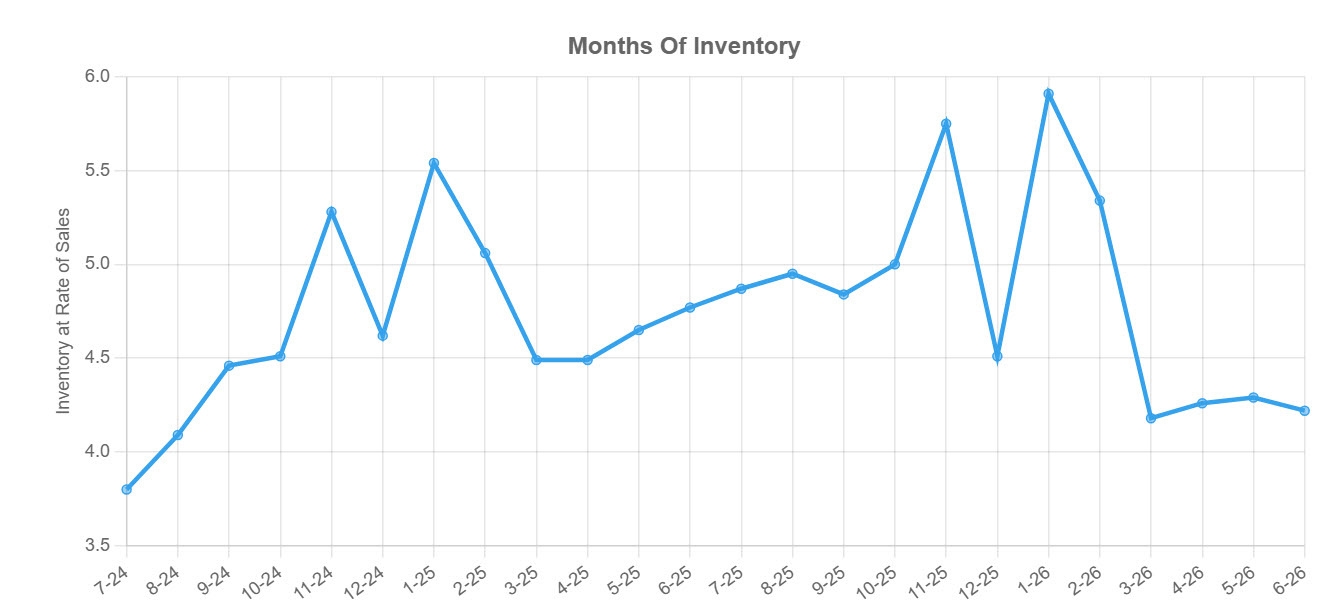
Mortgage Rates: The Biggest Wild Card
Mortgage rates remain the factor most buyers are watching most closely — and for good reason. The 30-year fixed rate has been hovering above 6% for much of 2026, keeping some buyers on the sidelines and limiting affordability for others.
The encouraging news: Fannie Mae forecasts rates could dip toward 5.7% by year-end as the Fed responds to economic conditions. A drop of even half a percentage point makes a meaningful difference in monthly payments and total interest over the life of a loan.
For buyers who
are waiting for rates to fall before jumping in, there's a real risk: if rates
drop, demand typically surges — and competition and prices tend to follow.
Buying now and refinancing later is a strategy worth discussing with your
lender.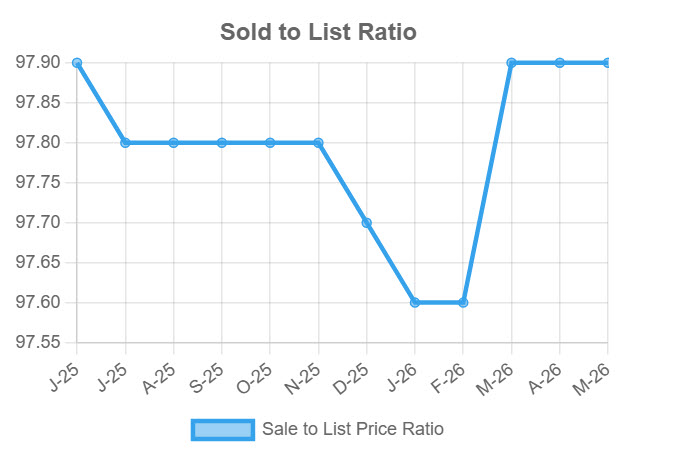
What This Means If You're Buying
This is genuinely one of the more buyer-friendly windows we've seen in several years. You have more homes to choose from, more time to make decisions, and more leverage to negotiate than buyers had in 2021 or 2022. That's not nothing.
• Get pre-approved early — it shows sellers you're serious and locks in your budget
• Ask about seller concessions, rate buydowns, and closing cost assistance
• Don't try to time the market perfectly — focus on finding the right home at a fair price
• Work with a local agent who knows the specific neighborhoods and price trends in your area
What This Means If You're Selling
The days of listing a home at any price and watching offers pour in are largely behind us — at least for now. But that doesn't mean it's a bad time to sell. It means it's a time to be strategic.
• Price your home accurately from day one — overpricing leads to price cuts and longer days on market, which hurts you both financially and psychologically
• Invest in presentation: professional photos, decluttering, and light staging make a measurable difference
• Be open to concessions — a small contribution toward closing costs or a rate buydown can be the difference between a deal and a dead end
• Trust the process — well-prepared homes at the right price are still selling, often with solid offers
Your Local Market: What the Numbers Say
National trends paint a useful backdrop, but real estate is always local. In [YOUR MARKET], the picture has its own nuances — different price points, different inventory levels, different buyer demand. That's where a local agent becomes invaluable.
If you'd like a current, no-pressure analysis of what's happening in your specific neighborhood — what homes are selling for, how long they're sitting, and what buyers are paying — reach out. That conversation is free, and it might change the way you think about your next move.
The Bottom Line
The 2026 real estate market isn't the panic of 2022 or the slowdown of 2023. It's something more sustainable: a market that rewards preparation, realistic expectations, and good local knowledge. Whether you're buying, selling, or just watching — now is a good time to get informed.