


The Phoenix Market Has Normalized — and That Changes Everything
If you're preparing to sell your Phoenix home in 2026, the first thing to understand is this: the rules have changed. The frenzied seller's market of 2021–2022, when homes sold in days with multiple cash offers over asking price, is not today's reality. What you have instead is a market in equilibrium — one that still rewards well-prepared, strategically priced listings, but no longer forgives overpricing or poor presentation.
The data tells the story clearly. The median sale-to-list ratio stands at 97.46%, meaning most sellers receive approximately 97 cents on every listed dollar. Approximately one-third of active listings have required price reductions — a signal that initial overpricing remains a significant and costly mistake. Yet transaction volume is robust: 3,060 Phoenix homes closed in April 2026 alone, up nearly 74% year-over-year. Buyers are present and motivated. The question is whether your listing is positioned to capture them.
Understanding the Current Competitive Landscape
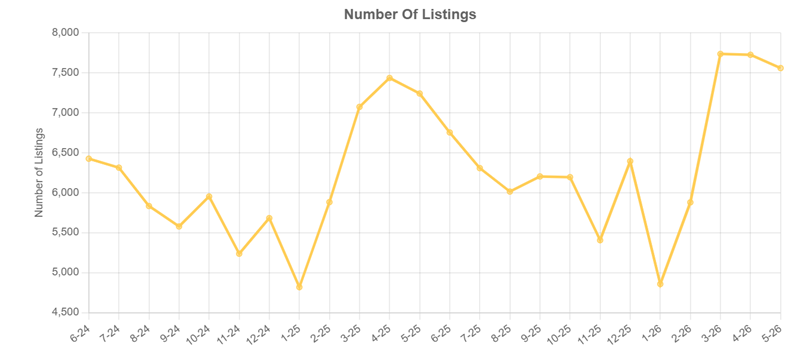
Inventory in the Phoenix–Mesa–Chandler metro reached its highest level since 2017 in mid-2025, giving buyers meaningfully more options than they had in recent years. While supply has stabilized in 2026 rather than continuing to climb, the effect on seller leverage is permanent for the near term: buyers are making more deliberate decisions, conducting inspections, and negotiating on price and concessions.
This does not mean Phoenix is a buyer's market. At 1.57 months of supply, it remains well below the 5–6 month threshold that defines buyer-favorable conditions. Well-located, well-priced, and well-presented homes in neighborhoods like Arcadia, Chandler, Gilbert, and North Scottsdale continue to generate strong interest and competitive offers. The divergence is between listings that are properly prepared and those that are not.
Four Factors That Determine Whether Your Home Sells
1. Pricing strategy
Price your home at or slightly below comparable recent sales. In the current environment, strategic pricing generates more buyer interest — and in some cases, competing offers — than aspirational pricing followed by reductions. Every price reduction signals to buyers that something may be wrong, erodes perceived value, and extends days on market.
2. Presentation and photography
Your listing photos are your first showing. In a market with expanding inventory, buyers eliminate homes before they ever schedule a visit. Professional photography, decluttered interiors, and strategic staging are no longer optional — they are the minimum bar for competitive listings.
3. Condition and pre-listing preparation
With buyers conducting more thorough inspections, deferred maintenance is now a negotiating liability. Address known issues proactively. Buyers who discover problems during inspection will either walk away or use those issues to negotiate significant credits — often far in excess of what repairs would have cost.
4. Flexibility on concessions
In today's market, offering to cover a portion of buyer closing costs or to fund an interest rate buydown is an increasingly effective tool. Rather than reducing your list price — which affects your net proceeds and the appraisal baseline — concessions allow you to provide meaningful value to buyers while protecting your stated price.
The Long-Term Outlook Remains Favorable
Phoenix continues to benefit from structural tailwinds that support long-term real estate value: sustained population growth, a diversifying economy, and geographic constraints that limit unlimited outward expansion. Home values are forecast to appreciate 2–4% in 2026 — modest by recent standards, but indicative of a healthy, sustainable market rather than a bubble.
For sellers with strong equity positions, the current environment still provides an excellent opportunity to transact. The key distinction from prior years is that results are no longer automatic — they are earned through preparation, accurate pricing, and sound execution.
The Bottom Line for Phoenix Sellers
The 2026 Phoenix market rewards sellers who approach it with discipline and strategy. Price correctly from day one. Invest in presentation. Address deferred maintenance before buyers find it. Be prepared to negotiate thoughtfully rather than rigidly.
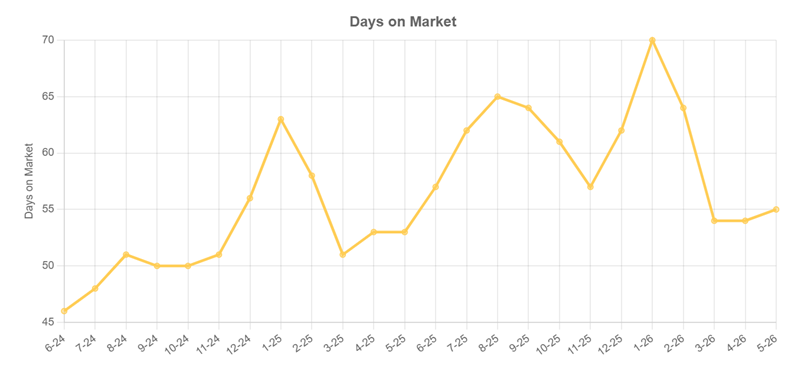
Sellers who follow this playbook are closing successfully. Those who expect the market to do the work for them are finding out, through price reductions and extended days on market, that it no longer will.